
Social Media Is Killing Our Kids And We're Letting It
Social Media Is Killing Our Kids And We're Letting It
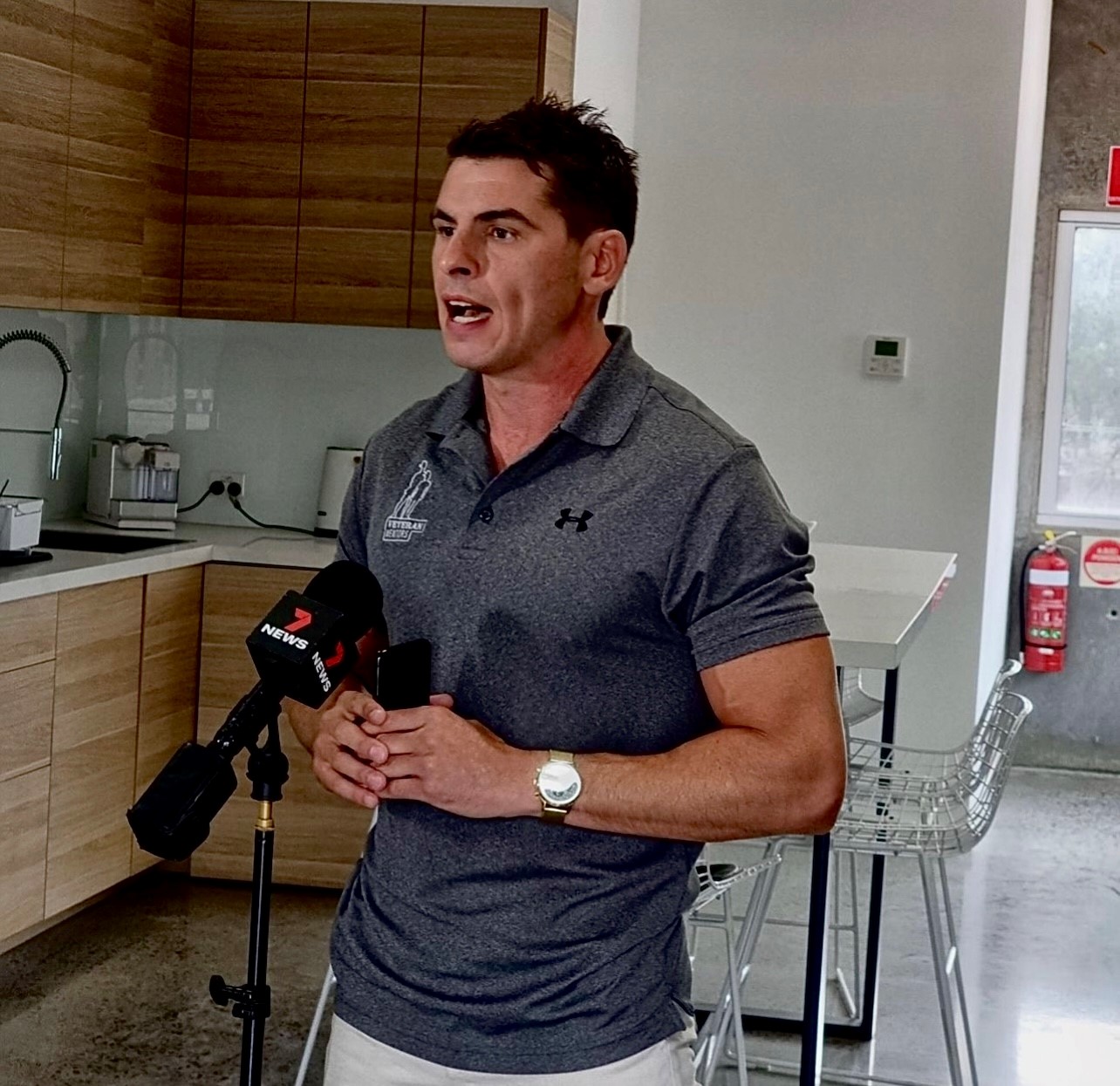
7 News Spotlight Special Investigation Beating Screen Addiction
Australia's mental health system isn't just failing - it's imploding. The recent mass resignation of 200 psychiatrists in New South Wales is merely the visible crack in a foundation that's been crumbling for over a decade. But for Matthew French, founder of Veteran Mentors and expert in youth mental health, this crisis comes as no surprise.
"Australia already has a shortfall in Allied health services," French explains, his voice carrying the weight of eight years on the front lines of youth intervention. "Having 200 Psychiatrists resign within one week will just put fuel on an already out-of-control inferno."
The statistics paint a grim picture. In NSW alone, schools face 53 police callouts per day. Violent assaults have increased by 50% in the last decade. One-third of national students are failing literacy and numeracy. Australia ranks a shocking 140th out of 146 countries for children's fitness levels.
But according to French, these are just symptoms of a much deeper problem.
"The mainstream mental health system denied for years that social media and tech addiction had any part in the continued increase in mental health diagnoses over the last 15 years," he states, his frustration palpable. "They claimed it was just due to the stigma of mental health being lifted and more people seeking help. If that was true, our nation's mental health would be dramatically improving, not on the verge of collapse."
The Over-Medication Crisis
French's primary concern is the widespread over-medication of children. Through his programs, he's witnessed firsthand the alarming trend in prescription rates. "What I see on every program would blow your mind," he says. "Words can't describe the amount of drugs that kids are being prescribed and the effects on them is clear as day."
Instead of addressing root causes, French argues that medical professionals consistently treat symptoms while ignoring the elephant in the room: social media addiction. "I never hear a parent say to me that my doctor or psychologist told me to completely remove social media from my child," he reveals. "These professionals were always treating the side effects of tech addiction and not addressing the root cause."

A Military Approach to Mental Health
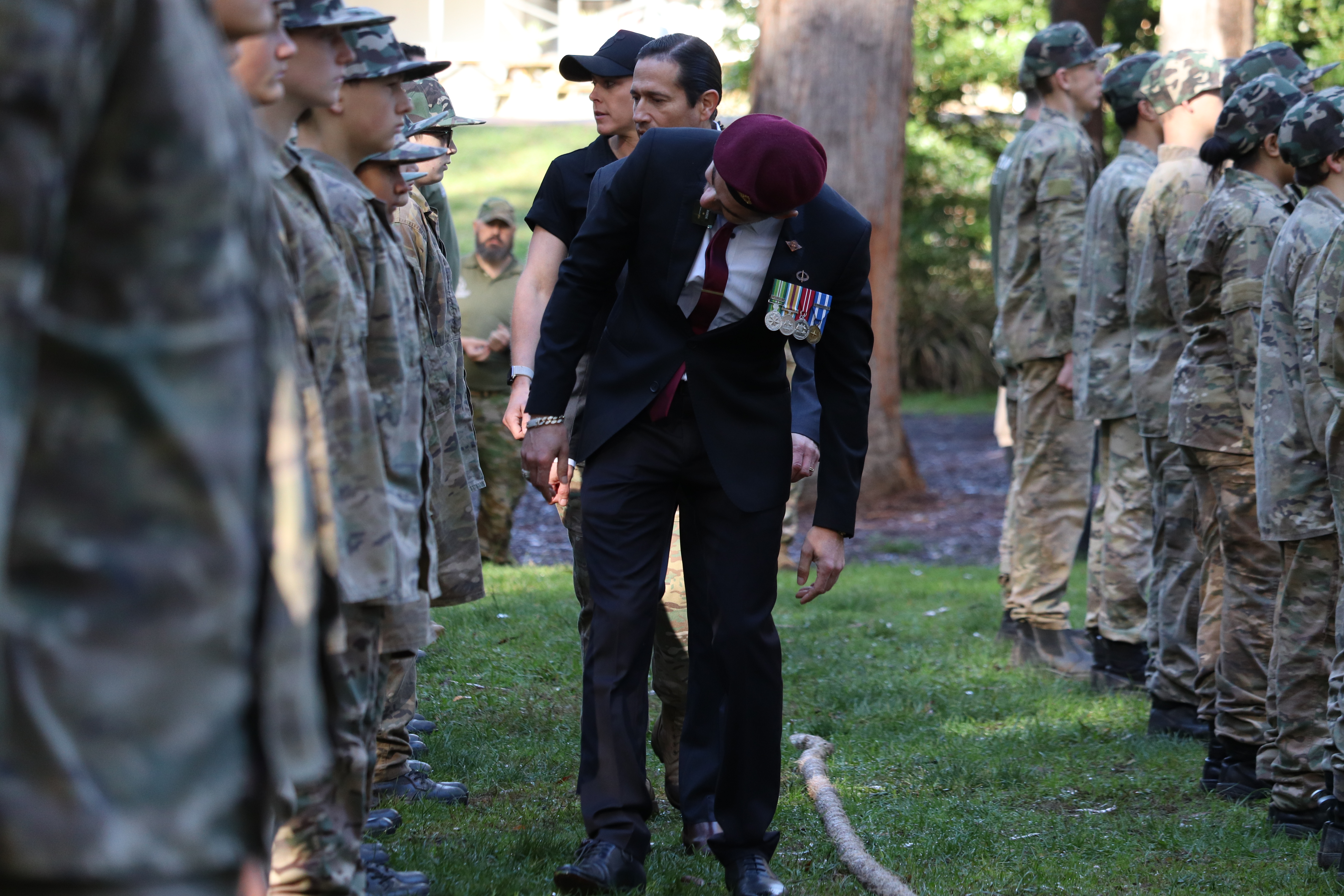
French's alternative approach, honed through years of military service and hands-on youth mentoring, focuses on rebuilding self-love through controlled adversity. His programs remove teenagers from their comfort zones, implementing strict routines that include physical training, healthy eating, and zero access to technology.
"The common theme I see with almost every child I work with is somewhere along the line in these short lives, the child has lost the ability to look in that mirror and truly love who is staring back," French explains. "If you can't love yourself, you will never show love to those around you and will always be looking for attention and love in all the wrong areas such as social media."
This tough-love approach might seem extreme, but French's results speak for themselves. With 40-50% of his clients having exhausted all traditional options, his success rate raises serious questions about conventional treatment approaches.
"For some parents, we work or they surrender their child to the state," he reveals. "Think of that - you are a decent parent, but your child is so wild and out of control you contemplate giving custody over to the state."
Societal Paralysis
French identifies a broader societal problem that prevents effective intervention. "The whole soft approach now adopted by all of society makes it hard to be firm and direct," he explains. "And when you use this approach, no government agency will help. Not even law enforcement."
Parents often resist taking necessary action, citing concerns about social isolation or school requirements. French's response is direct: "Parents tell me their child needs social media to connect with friends and without it they will become depressed. My reply is always the same - 'So you're telling me that your child will hate you and be isolated if you remove social media, but you sent your child to me because they won't leave the bedroom, punch holes in walls, stay up until 3-4 in the morning, and refuse to go to school?'"
A Call to Action
As the mental health crisis deepens, French's message to parents is urgent: "Please don't wait for a social media ban. If you have a child under 16 and they're on social media, every minute you waste is another minute your child is being raised by social influencers and algorithms designed to keep your child online for longer."
French's approach isn't just about removing technology. It's about replacing it with real-world experiences that build resilience, self-esteem, and genuine human connection. His programs focus on physical challenges, team-building exercises, and open, honest communication - skills that are increasingly rare in our digital age.
"We're not just fighting against social media," French explains. "We're fighting for our children's future. Every day they spend glued to a screen is a day they're not developing the skills they need to thrive in the real world."
The Road Ahead
While recent developments, including discussions about social media bans, offer a glimmer of hope, French expresses shame that his warnings went unheeded for so long. "I was witnessing the complete destruction of a whole generation, and I wasn't able to break through to government or policymakers," he admits.
But French isn't one to dwell on past failures. His focus is firmly on the future and the changes that need to happen now to prevent further damage to our youth.
"We need a complete overhaul of how we approach youth mental health," he states. "It's not enough to just treat symptoms. We need to address the root causes - the lack of real-world connection, the absence of physical activity, the constant bombardment of unrealistic expectations through social media."
French advocates for a multi-pronged approach:
1. Stricter regulation of social media platforms, especially for users under 16.
2. Increased funding for alternative intervention programs that focus on holistic health - mental, physical, and emotional.
3. Education programs for parents on the real dangers of excessive screen time and social media use.
4. A return to emphasizing physical education and outdoor activities in schools.
5. Mental health programs that incorporate elements of discipline, responsibility, and community service.
"It's not going to be easy," French admits. "We're fighting against billion-dollar tech companies, ingrained societal habits, and a mental health system that's resistant to change. But the alternative - losing an entire generation to depression, anxiety, and unfulfilled potential - is unthinkable."
As the mental health system teeters on the brink of collapse, French's military-style intervention programs offer a compelling alternative to traditional approaches. With thousands of success stories behind him, his message is clear: the solution to youth mental health issues might not lie in more psychiatrists or medications, but in a return to fundamental principles of discipline, self-respect, and real-world connection.

"We have the power to turn this around," French concludes. "But it's going to take courage - from parents, from educators, from policymakers. We need to be willing to make tough decisions and stick to them. Our children's future depends on it."
In a world increasingly dominated by quick fixes and digital distractions, French's call for a return to basics - human connection, physical activity, and real-world challenges - might just be the radical solution our youth desperately need.