Afghanistan Taught Me How To Save Teens
Afghanistan Taught Me How To Save Teens
The first time I watched a teen throw his phone away voluntarily, I knew we'd broken through. Nine days earlier, he'd arrived at my camp hunched over, eyes glued to his screen, furious about being "forced" to attend. Now he stood taller, looked people in the eye, and said seven words that confirmed everything: "I don't need this crutch anymore, sir."
That moment took me back to Afghanistan, 2012. The stakes were different but the transformation was the same. Both required what I call a warrior mindset – not aggression or dominance, but resilience, adaptability, and the ability to view setbacks as growth opportunities.
I've spent eight years building youth development programs after serving in the military. What I've discovered shocks most parents: the same mental framework that helps soldiers survive combat zones can rescue teenagers from the battlefield of modern adolescence.
Why Today's Teens Are Losing Their Battles
When I returned from deployment and started working with troubled youth, I noticed something disturbing. Today's teenagers increasingly embrace victimhood as an identity. They've been taught – by well-meaning parents, schools, and social media – that external factors control their destiny. That failure is something to avoid at all costs. That someone else should solve their problems. I call it the cottonwool method
This mindset is destroying them.
I've watched it play out hundreds of times. Teens enter our programs blaming everyone but themselves for their situation. Their phones constantly feed them messages reinforcing this mentality. Their schools often prioritize protecting self-esteem over building genuine resilience.
The results are catastrophic. Anxiety and depression rates among Australian youth continue climbing. Tech addiction paralyzes their development. Many drift through life feeling powerless, waiting for someone to rescue them.
No one is coming to save them. They must learn to save themselves.
The Warrior Mindset Difference
In combat, victimhood thinking gets you killed. You can't blame the enemy, the terrain, or your equipment when bullets fly. You must take immediate action based on reality, not excuses.
This mindset isn't just for battlefields. It's for life.
When we bring veterans into our youth programs, teens initially resist our approach. They're used to being coddled. Protected from consequences. Allowed endless second chances.
We offer something different. Accountability. Challenge. Growth through discomfort.
One parent recently asked me, "Isn't your approach too harsh for vulnerable teenagers?" I understand their concern. But here's what most people misunderstand: discipline isn't punishment—it's framework that creates freedom.
The transformation begins when teens realize four fundamental truths:
First, failure isn't fatal. In military training, you're expected to fail repeatedly before mastering skills. Each failure teaches something valuable. When teens grasp this concept, they stop avoiding challenges and start embracing them.
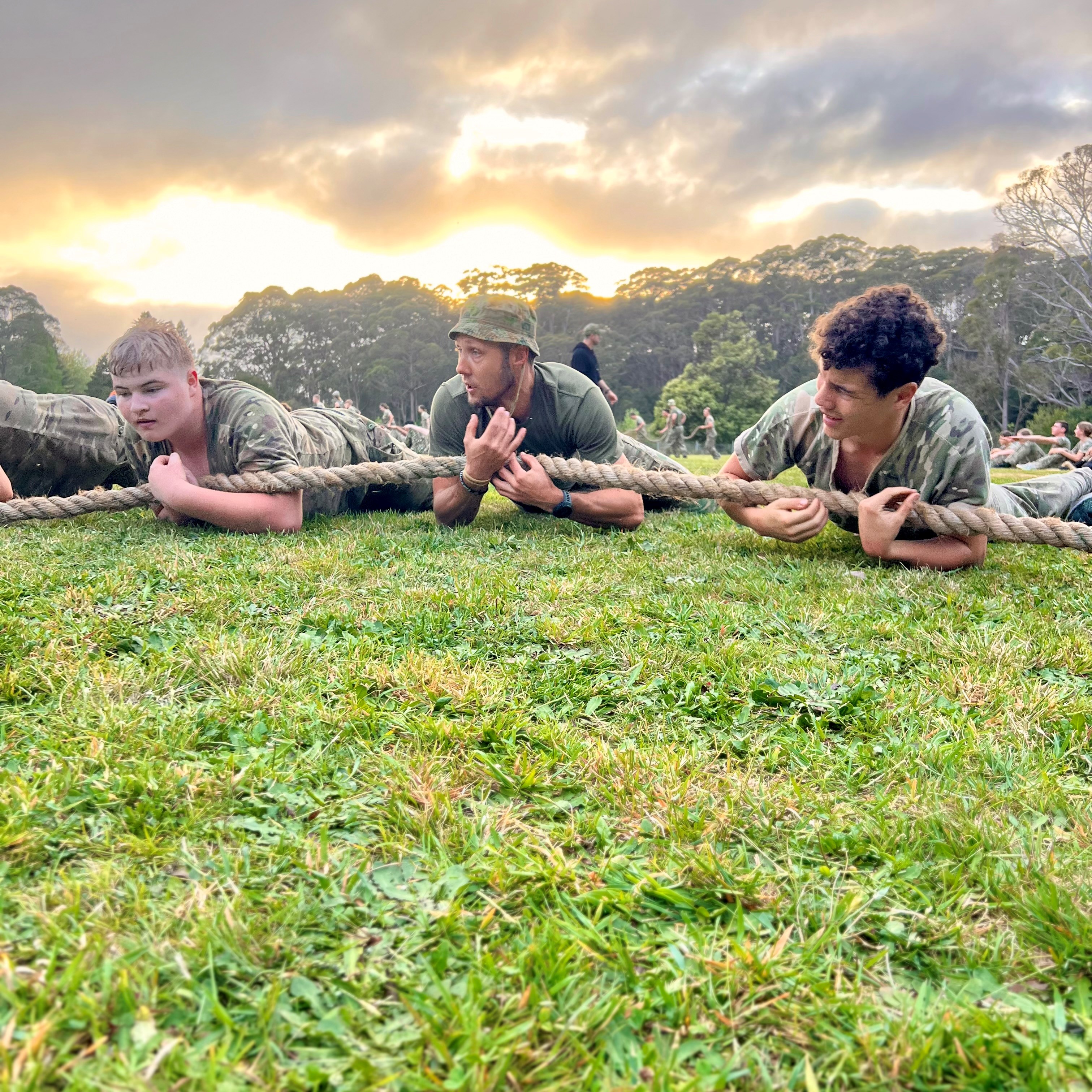
Second, stress builds strength. Military service deliberately creates controlled stress to develop resilience. Similarly, we push teens beyond their perceived limits in safe environments. They discover capabilities they never knew they had.
Third, comparison is useless. In the military, you focus on your mission, not what others are doing. We teach teens to measure themselves against their previous performance, not social media ideals.
Finally, you always have choices. Even in the worst circumstances, you control your response. This simple truth is revolutionary for teens trapped in victimhood thinking.
Breaking Tech Addiction's Grip
When 7 Spotlight investigated tech addiction nationally, they discovered our program was the only approach showing consistent success at scale. The reason isn't complicated.
Military training requires focus on the present moment. Being constantly alert to your surroundings. Communicating effectively with those beside you. These skills directly counter what tech addiction destroys.
We start with a complete digital detox. The first 72 hours are brutal. Teens experience withdrawal symptoms similar to drug addiction – anxiety, irritability, even panic attacks. They've lost their primary coping mechanism and identity validator.
Then something beautiful happens. They look up. They notice the world around them. They start connecting with other humans face-to-face. Their nervous systems begin to regulate.
One 15-year-old told me on day five: "This is the first time I've felt calm in years."
The military taught me that you can't overcome challenges you don't acknowledge. Tech addiction flourishes when we pretend it's normal teenage behavior. It's not. It's a crisis requiring intervention.
Why Traditional Approaches Fail
Mainstream mental health and education systems often miss what military training gets right: resilience can't be taught in theory. It must be developed through experience.
Talk therapy has its place. Medication sometimes helps. But neither builds the foundational mental toughness teens need to face life's inevitable challenges.
I've watched countless teens cycle through counselors, psychologists, and psychiatrists without improvement. Many emerge more convinced they're broken, with diagnoses that become excuses rather than starting points for growth.
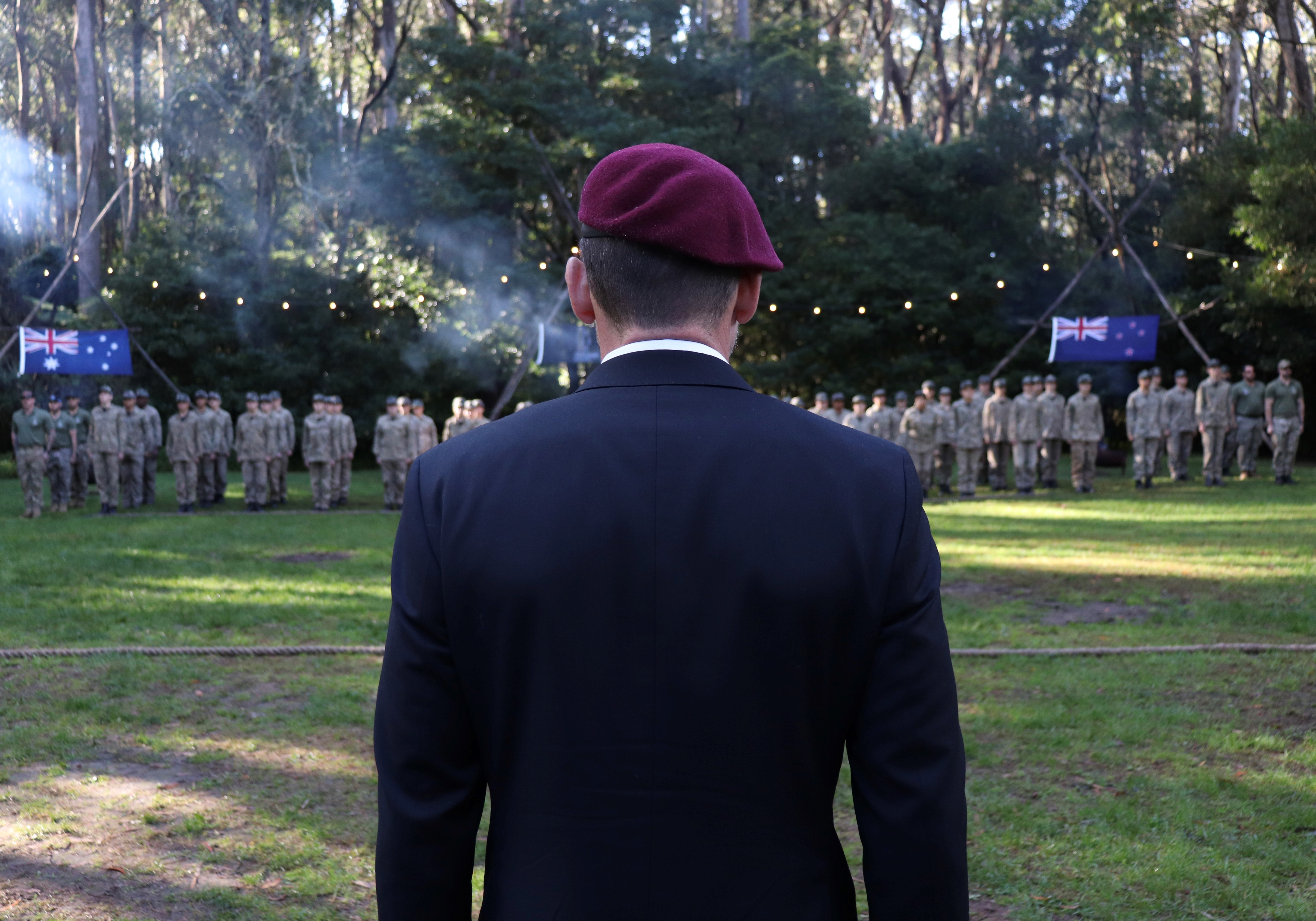
Our approach differs fundamentally. We create structured challenges in natural environments. We remove digital crutches. We hold teens accountable while showing genuine care. We demonstrate rather than lecture.
Senator Jacqui Lambie, who joined our mentor team, put it perfectly during her Senate floor speech: "These veterans aren't just talking about resilience – they're living it. That authenticity changes everything for these kids."
The Transformation Timeline
Parents often ask how long this process takes. Military mindset shifts don't happen overnight, and neither do teenage transformations. But the progression follows a remarkably consistent pattern.
Phase 1: Resistance. Teens fight the structure, responsibilities, and accountability. They demand their phones. They test boundaries. They try manipulating adults as they've likely done successfully before.
Phase 2: Recognition. Reality sets in. Their usual tactics aren't working. They begin noticing changes in peers who embraced the program earlier. Seeds of possibility are planted.
Phase 3: Rebuilding. They start applying warrior mindset principles voluntarily. They take initiative. They help others. They experience the confidence that comes from genuine achievement.
I remember one teen who arrived convinced he had insurmountable anxiety. His parents had tried everything – multiple therapists, various medications, special accommodations at school. Nothing worked.
By day six, he was leading group activities. When I asked what changed, he said, "You guys didn't accept my excuses, but you never gave up on me either."
That balance – high expectations with unwavering support – defines military leadership at its best. It works with soldiers. It works with teens.
How Parents Can Foster Warrior Mindset
Not every family can access intensive programs like ours. But every parent can apply these principles at home:
Allow natural consequences. When your teen fails to prepare for a test or breaks a rule, resist the urge to rescue them. Military training never removes consequences – it teaches people to handle them productively.
Create phone-free zones and times. Start small if necessary, but be consistent. The dinner table. One weekend day. Bedrooms at night. Reclaim spaces for real human connection.
Assign meaningful responsibilities. Teens rise to genuine challenges that contribute to the family or community. Token chores don't build the same sense of purpose and capability.
Normalize failure as part of growth. Share your own failures and what you learned. Celebrate when your teen takes risks, regardless of outcome. Ask "What did you learn?" instead of focusing on results.
Model resilience yourself. Teens watch how adults handle setbacks far more than they listen to advice about handling setbacks. Demonstrate the warrior mindset in your own life.
The Battle Worth Fighting
In Afghanistan, I learned that some battles must be fought, regardless of difficulty. The battle for our youth's mental resilience is one of them.
When Campsie RSL Group committed $200,000 to sponsor our programs, their chairman said something that stuck with me: "We're not just funding a youth program. We're investing in the kind of citizens who will build our future."
That's what warrior mindset development ultimately provides – not just happier teens or relieved parents, but stronger communities and a more resilient society.
The greatest reward in this work comes years later. Former participants return as adults – some even joining our mentor team – and share how the warrior mindset principles transformed their trajectory.
One recent example was a young man who entered our program at 15, angry and self-destructive after his parents' divorce. Last month, at 20, he visited our camp to tell me he'd completed his engineering degree and started his own business.
"The most important thing you taught me," he said, "was that I'm not a victim of my circumstances. I'm the creator of my future."
That's the warrior mindset in action. That's what Afghanistan taught me. And that's what today's teens desperately need.
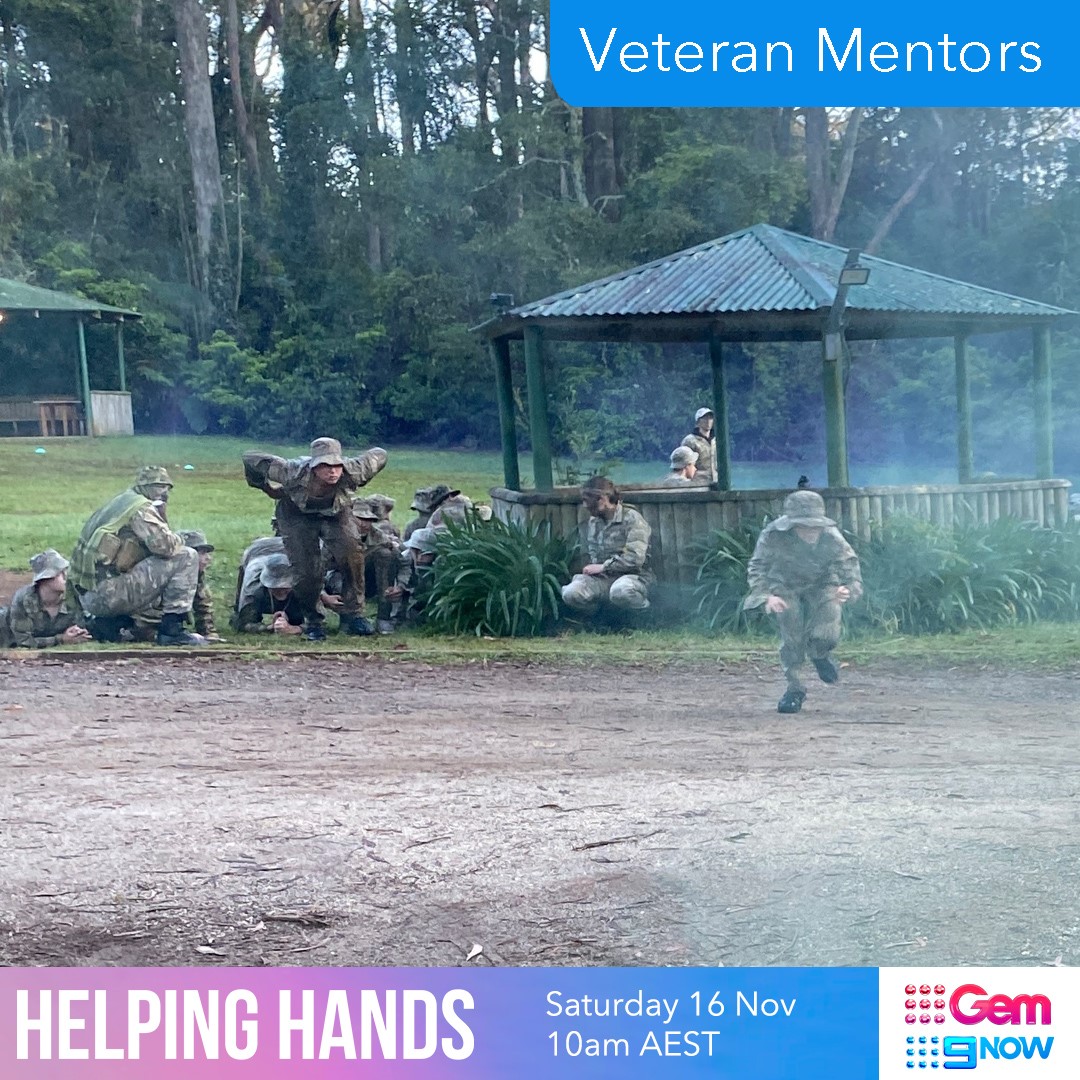
— Matthew French is the co-founder and owner of Veteran Mentors, Australia's premier youth development program. A military veteran who served in Afghanistan, he works with Senator Jacqui Lambie and has been featured on 7 Spotlight, Helping Hands 9Now, and recently gave the keynote address at the 2024 Retail Crime Symposium in Melbourne.