
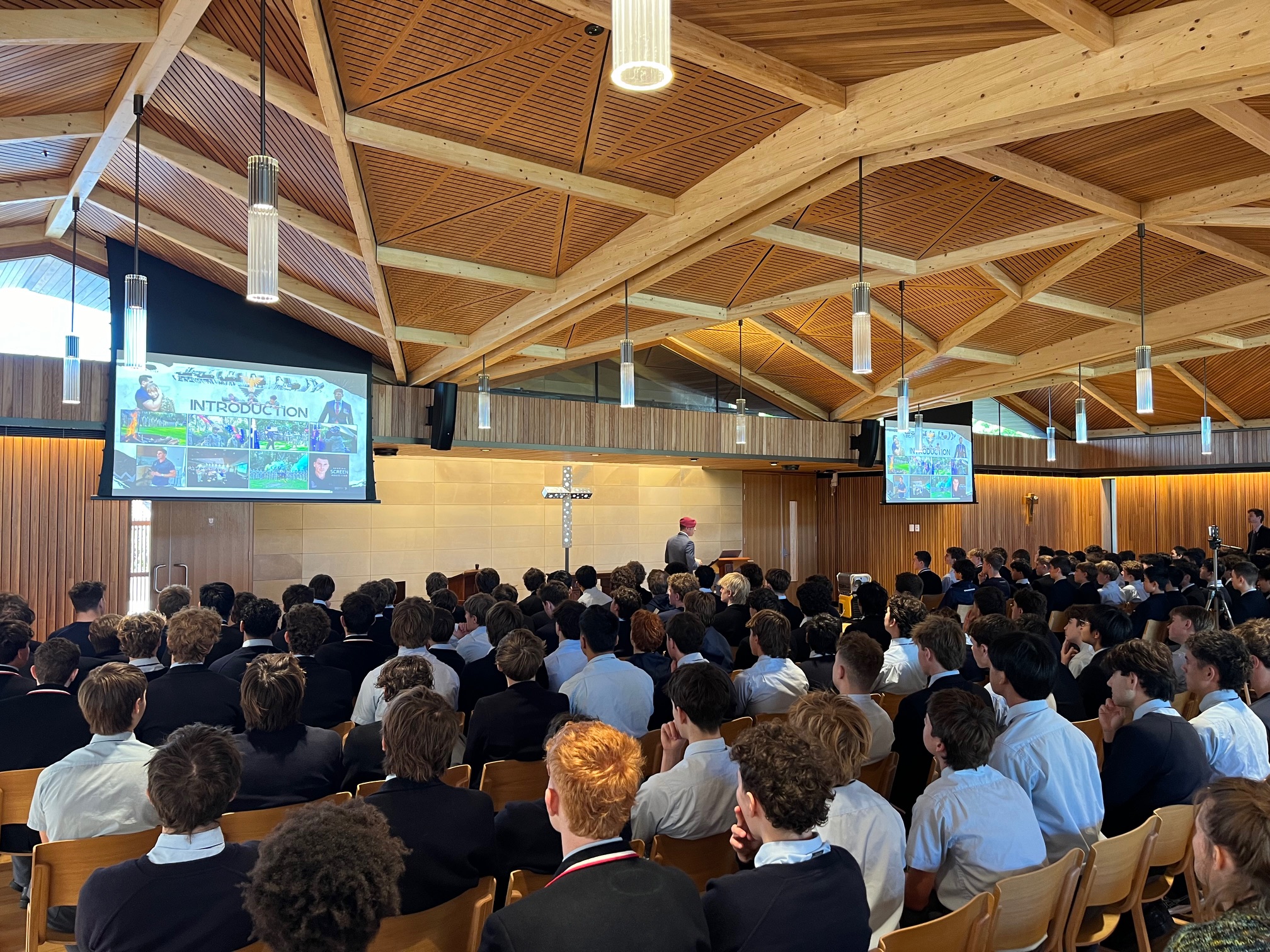
Why Domestic Violence Prevention Starts With Teenagers
Why Domestic Violence Prevention Starts With Teenagers
Domestic violence starts long before the first punch lands.
The patterns emerge in teenage years. The inability to regulate emotions. The learned responses to conflict. The normalization of control and aggression.
We see it every day in our programs. A 14-year-old who can't handle rejection. A 16-year-old who solves problems with intimidation. A 15-year-old girl who thinks jealousy equals love.
These aren't just behavioral issues. They're the early warning signs of future domestic violence.
Domestic violence affects 1 in 3 women and 1 in 4 men in Australia. The statistics are staggering. The human cost is immeasurable.
But here's what most people miss. The solution doesn't lie in crisis intervention or after-the-fact support programs.
It lies in early intervention with youth.
The Connection Nobody Talks About
After eight years on the frontlines working with over 3,500 troubled families, the patterns became impossible to ignore.
The same teenagers we were seeing for school suspensions, tech addiction, and behavioral problems were displaying the exact relationship dynamics that lead to domestic violence in adulthood.
Poor emotional regulation. Inability to handle conflict. Learned patterns of control and manipulation. Zero understanding of healthy boundaries.
The mainstream mental health system was treating symptoms. We needed to address the root cause.
Research supports this connection. Early intervention programs can reduce the likelihood of future domestic violence by up to 50%.
The window for prevention is narrow. And it's closing fast.
Why Current Approaches Fall Short
Traditional domestic violence prevention focuses on adult education and crisis response. Important work, but it's too late.
By the time someone is in an abusive relationship, the behavioral patterns are already entrenched. The neural pathways are formed. The responses are automatic.
Schools aren't equipped to handle this either. They're dealing with the surface behaviors without understanding the deeper patterns forming beneath.
A teenager gets suspended for aggressive behavior. They receive counseling for anger management. But nobody's addressing the underlying inability to process rejection, handle conflict, or respect boundaries.
We're fighting domestic violence at the wrong end of the timeline.
The Youth Regiment Solution
The Youth Regiment, launching in 2026, represents a fundamental shift in how we approach domestic violence prevention.
Instead of waiting for crisis, we intervene early. Instead of treating symptoms, we address root causes. Instead of working in isolation, we create systemic change.
Our approach targets three critical areas:
Early Intervention Through Schools: We enter the education system after a child's first suspension. Not their seventh or eighth. We catch them before the patterns become entrenched.
Comprehensive Skill Building: Mental resilience, emotional regulation, healthy relationship dynamics, conflict resolution. The skills that prevent domestic violence before it starts.
Post-Program Support: Long-term mentorship and family support. Real change takes time and consistent reinforcement.
This approach works because it addresses the problem at its source. Before learned helplessness sets in. Before control becomes the default response to stress. Before violence becomes normalized.
The Collaborative Framework
Real systemic change requires unprecedented collaboration.
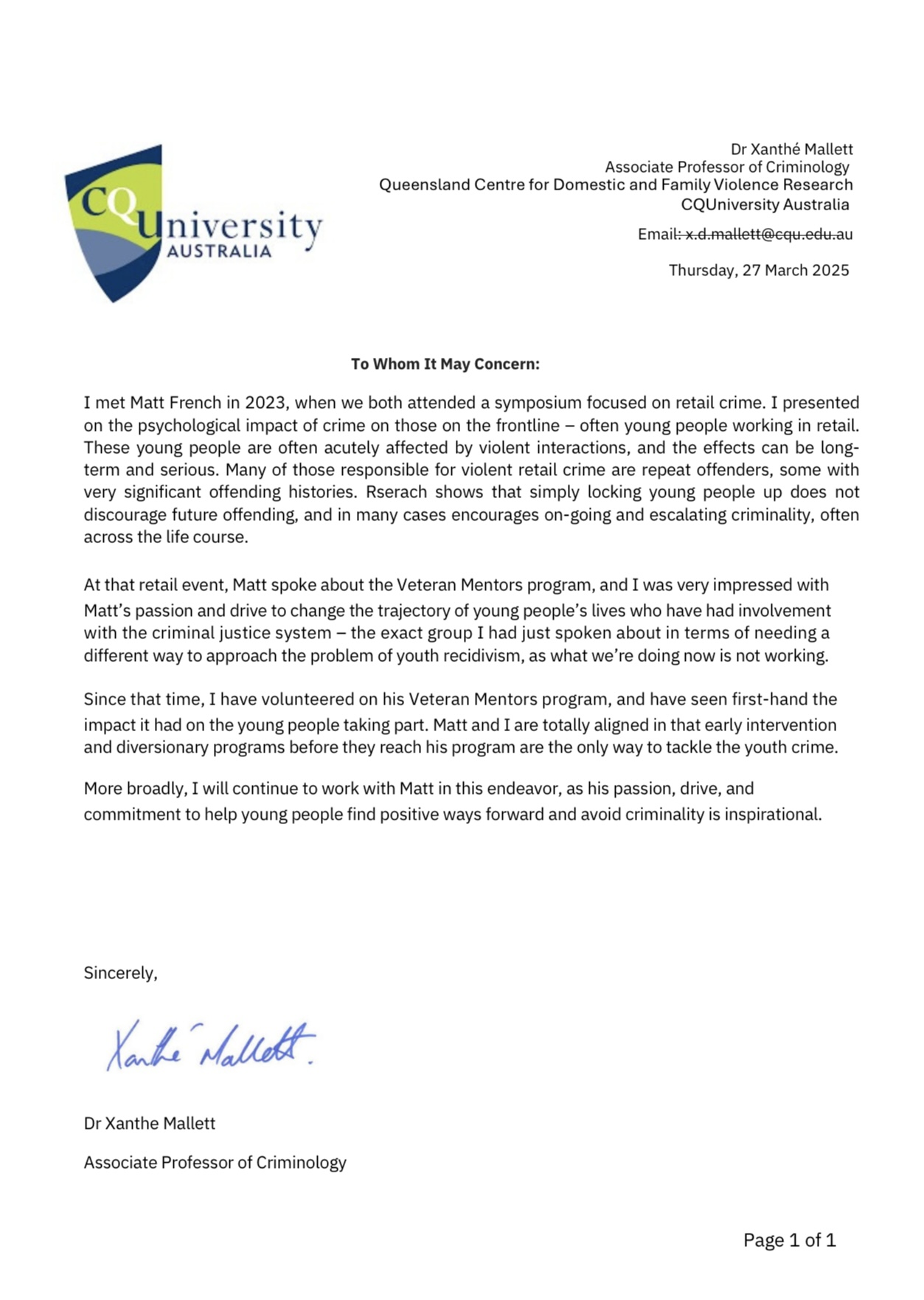
We're partnering with Dr. Xanthe Mallett, one of Australia's leading criminologists, to ensure our methods are evidence-based and peer-reviewed.
Corporate partnerships with organizations like Learning for Good, Frontline Labs, Helping Hands, Pro Patria and support from groups like Campsie RSL provide the resources needed for scale.
Government collaboration through relationships with Senator Lambie and testimony at youth justice reform committees creates the policy framework for implementation.
This isn't a single program. It's a movement toward prevention-first thinking.
The Tech Addiction Connection
One pattern we consistently observe deserves special attention. Tech addiction among Australian youth has increased by 32% in the last five years.
This isn't just about screen time. It's about the relationship skills these young people aren't developing.
They're learning to interact through screens instead of face-to-face. They're getting dopamine hits from likes and comments instead of genuine human connection. They're avoiding difficult conversations and real emotional processing.
When these teenagers enter relationships, they lack the fundamental skills for healthy interaction. They don't know how to handle conflict, process rejection, or communicate needs effectively.
The result is relationships built on control, manipulation, and emotional volatility.
What Success Looks Like
Prevention-focused programs create measurable outcomes.
Reduced school suspensions and expulsions. Improved family dynamics. Better emotional regulation skills. Healthier relationship patterns.
But the real success happens years later. When a 25-year-old who went through our program handles relationship conflict with communication instead of control. When they recognize unhealthy patterns and seek help instead of perpetuating cycles.
When domestic violence rates start declining because we interrupted the pattern formation during the critical teenage years.
This is how we break generational cycles of violence.
The Path Forward
The Youth Regiment represents more than a program launch. It's a fundamental shift toward prevention-first thinking in domestic violence.
We're building the framework for early intervention that addresses root causes instead of managing symptoms. We're creating the collaborative infrastructure needed for systemic change.
The 2026 launch will begin with school-based modules focused on emotional regulation, healthy relationships, and conflict resolution. These aren't abstract concepts. They're practical skills that prevent future violence.
Parents, educators, and policymakers have a choice. Continue fighting domestic violence after it happens, or invest in preventing it before it starts.
The teenagers in our classrooms today will be in relationships tomorrow. The patterns they learn now will determine whether those relationships are healthy or harmful.
We have the knowledge, the experience, and the collaborative framework to make prevention work. What we need now is the collective will to prioritize early intervention over crisis response.
Because domestic violence prevention doesn't start with adults in crisis.
It starts with teenagers learning better ways to love.