The Shocking Truth About Youth Mental Health in Australia
The Shocking Truth About Youth Mental Health in Australia
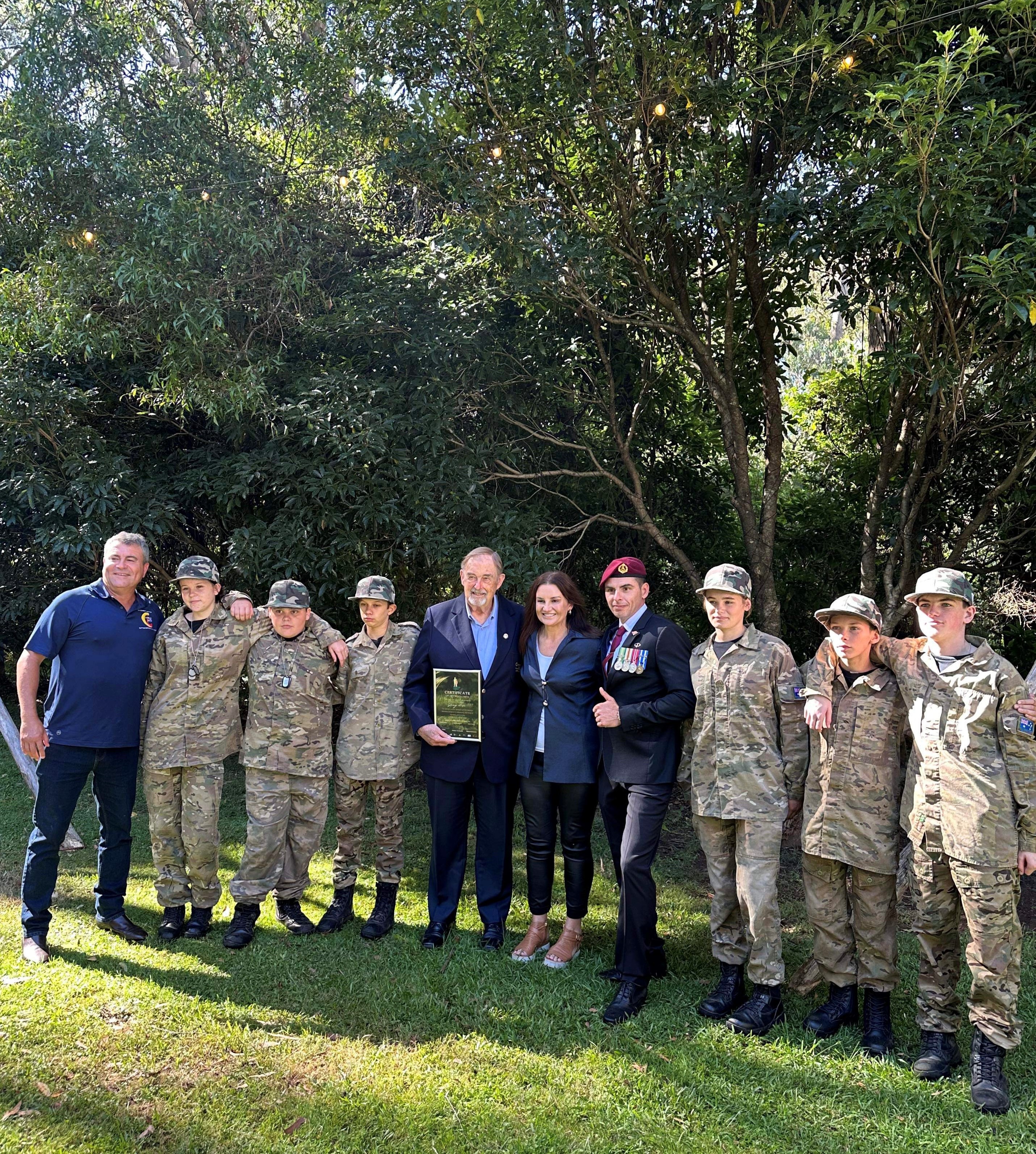
Left - Craig Love CEO Campsie RSL Group, President Campsie RSL Group, Senator Jacqui Lambie, Matthew French Co-Founder/Owner Veteran Mentors
Imagine a world where half of our youth are drowning in a sea of anxiety, depression, and hopelessness. Now open your eyes – this is the reality we're facing in Australia today. As someone who's spent the last eight years in the trenches, working with over 3,500 troubled families, I can tell you firsthand: our current mental health system is failing our kids. But there's hope, and it's time for a radical change.
The Broken Promise of Conventional Treatment
Let me paint you a picture I see all too often. A concerned parent notices their child withdrawing, struggling in school, maybe acting out. They do what we've all been told to do – they take their kid to a GP, who refers them to a psychologist. Maybe they end up with a psychiatrist and a prescription. Weeks turn into months, months into years. And you know what happens? Things get worse.
I can't tell you how many times I've heard parents say, "We've tried everything. Nothing works." These families have lost faith in a system that promised to help but instead left them feeling more lost and alone than ever.
The Hidden Epidemic of Tech Addiction
Now, let's talk about the elephant in the room – technology, especially social media. Since around 2007, we've seen a staggering 50% increase in diagnosed mental health conditions in youth. Coincidence? I think not.
Social media isn't just a distraction; it's a full-blown addiction, more potent than any drug. These platforms are designed to keep our kids hooked, feeding them a steady diet of content that's about as nutritious for their minds as junk food is for their bodies.
But here's what many don't realize – we're treating this addiction all wrong. Traditional therapy, an hour a week in a sterile office, simply can't compete with the 24/7 onslaught of likes, shares, and notifications. We're using band-aids when what we need is intensive care.
A New Approach: Real-World Mentorship
So, what's the alternative? At Veteran Mentors, we've developed a program that turns traditional mental health treatment on its head. We don't just talk to kids for an hour a week – we live with them, 18 hours a day, for nine straight days. And our involvement doesn't end there. I stay in touch for months, even years afterward.
This isn't your typical "outward bound" experience. We're not just keeping kids busy – we're rewiring their brains, reshaping their habits, and rebuilding their self-esteem from the ground up.
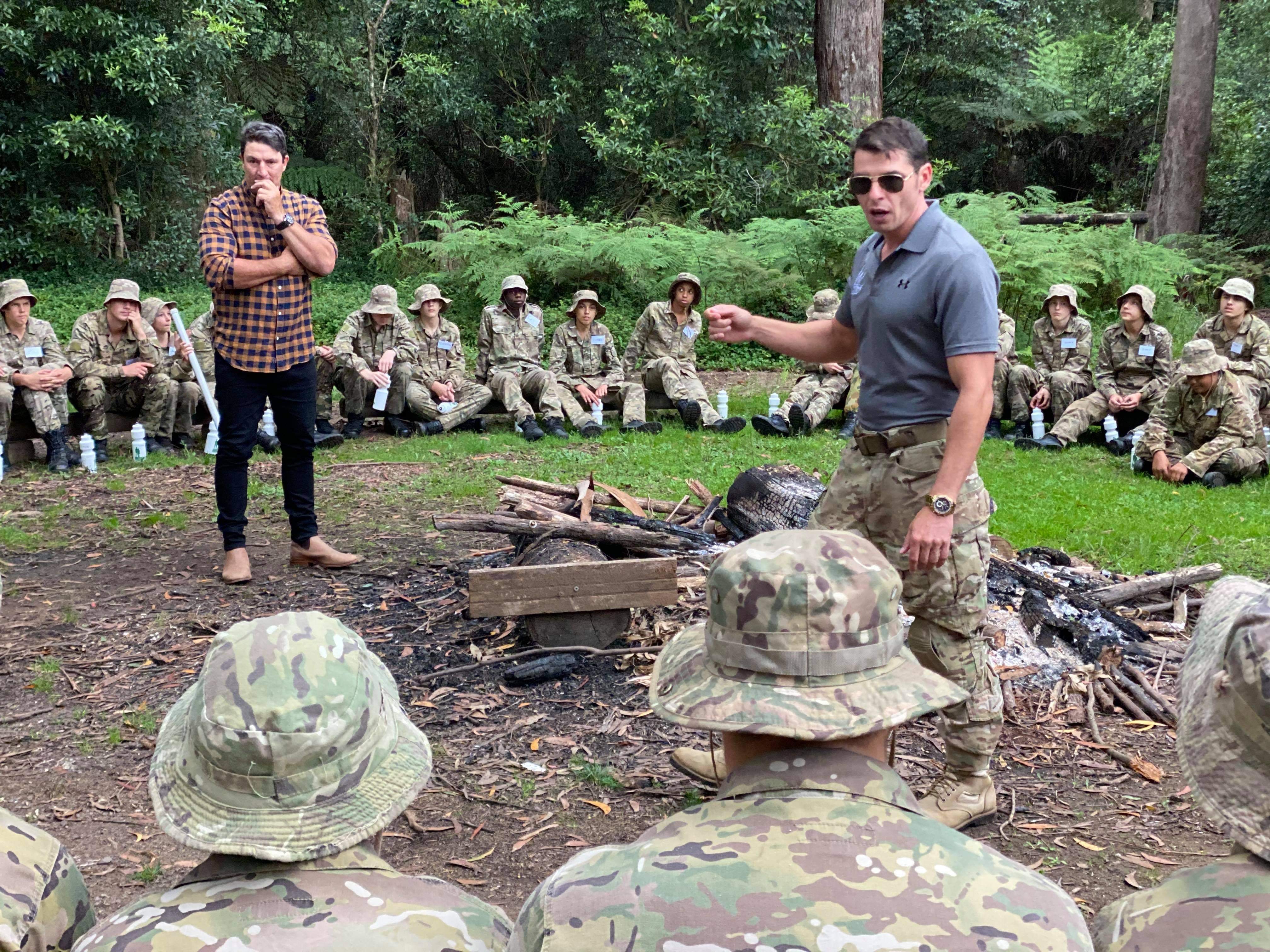 Left - Nathan Hindmarsh Parramatta Great
Right - Matthew French Co-Founder/Owner Veteran Mentors
Breaking Down Walls, Building Up Trust
On the second night of our program, I share my own story around a campfire. I talk about losing three of my mates. I cry. You know why? Because I want these kids to see that it's okay to be vulnerable, to feel, to share.
And then something magical happens. These kids, who've been told they're broken, who've been isolated in their pain, start to open up. They share their stories with each other. Suddenly, they realize they're not alone. That shared experience is more powerful than any pill or therapy session.
The Holistic Approach: Body, Mind, and Spirit
I don't just focus on talk therapy. I overhaul everything – diet, physical activity, sleep patterns. We cut out sugar and dramatically reduce tech use. We introduce meditation and teach the importance of routine.
This comprehensive approach addresses the root causes of many mental health issues. It's not about managing symptoms – it's about creating a foundation for lasting mental and emotional wellbeing.
Real Results, Real Lives Changed
The proof is in the pudding. I have an 80% success rate when personaly working with the family. That's not just some number I pulled out of thin air – it's based on long-term follow-ups with thousands of families.
We're not just changing lives; we're saving them. I've had parents tell me, with tears in their eyes, "You gave us our child back." That's what drives me, what makes me push for change on a national level.
A Call for Systemic Change
Here's what I propose: before we rush to medicate our kids or lock them into years of traditional therapy, let's try something different. When a child is flagged for mental health issues, they should have the option to attend a program like ours, funded by Medicare.
Imagine if we could intervene early, before these kids get lost in the system. Before they're suspended from school, before families break down, before they become another statistic.
The Future of Youth Mental Health
But this isn't just about mental health services. We need to rethink our entire approach to youth wellbeing. That means integrating these methods into our education system, casting a wide net to catch kids before they fall through the cracks.
It's time to break the monopoly of traditional mental health services. It's time for a system that truly serves our youth, that meets them where they are and gives them the tools they need to thrive.
The challenge is enormous, but the stakes couldn't be higher. We're talking about the future of our nation, the wellbeing of an entire generation. It's time to stop talking and start acting. Our kids can't wait any longer.
The Power of Real Connection
At the heart of our program's success is something so simple yet so often overlooked in traditional mental health treatments: genuine human connection. In a world where our kids are more "connected" than ever through technology, they're paradoxically more isolated than any generation before them.
What we offer is real, face-to-face, heart-to-heart connection. We're not just mentors or counselors – we become family. We eat together, train together, laugh together, and sometimes cry together. This level of connection creates a safe space where real healing can begin.
Breaking the Cycle of Validation-Seeking
One of the most insidious effects of social media on our youth is the endless cycle of seeking external validation. Kids post, wait for likes, feel a brief high, then crash – and the cycle begins again. It's a digital dopamine roller coaster that's wreaking havoc on their self-esteem.
Our program breaks this cycle. We teach kids to find value and validation from within, to build self-esteem based on real accomplishments and genuine relationships, not likes and followers. It's about rediscovering their intrinsic worth, separate from the digital noise.
The Ripple Effect: Healing Families, Not Just Individuals
Another crucial aspect of our approach is that we don't just work with the child – we involve the whole family. Mental health issues don't exist in a vacuum; they affect and are affected by the entire family dynamic.
By providing parents with tools and strategies, by helping rebuild communication and trust within families, we create a support system that continues long after our program ends. This holistic, family-centered approach is key to lasting change.
Challenging the Status Quo
I'll be honest – our methods aren't always popular with the established mental health industry. We're challenging decades of entrenched practices and beliefs. But the results speak for themselves.
We're seeing kids who've been in and out of therapists' offices for years, kids who've been on cocktails of medications, turn their lives around in a matter of weeks. It's not magic – it's about creating the right environment for change, providing the right tools, and believing in these kids' capacity to heal and grow.
A Call to Action
So, what can you do? If you're a parent struggling with a child's mental health, know that there are alternatives. Don't be afraid to question the standard approach if it's not working for your family.
If you're a mental health professional, I invite you to look at what we're doing. Come visit our programs, see the results for yourself or sit down with me over a coffee. Let's collaborate to create a better future for our youth.
And if you're a policymaker or someone with influence in the education or healthcare sectors, I urge you to consider the potential impact of integrating programs like and methods like mine into the mainstream system. The cost of inaction is too high.
Hope for the Future
Despite the challenges we face, I'm incredibly optimistic about the future. Every day, I see the resilience and strength of the young people we work with. I see the transformative power of genuine connection and holistic care.
We have the knowledge, the tools, and the passion to turn the tide on youth mental health in Australia. What we need now is the will to make it happen on a larger scale. My program isnt enough and I am willing to put the work to make monumental change
Our kids are counting on us. Let's not let them down. It's time for a revolution in youth mental health care – and it starts with each one of us being willing to challenge the status quo and fight for a better way. The future of our nation depends on it.