The Youth Crisis Nobody Wants To Talk About
The Youth Crisis Nobody Wants To Talk About
We're losing an entire generation of young Australians to a system that medicates first and asks questions later. As veterans who have traded battlefields for the equally challenging front lines of youth intervention, we've witnessed a disturbing trend: the increasing medicalization of normal childhood behavior and the wholesale prescribing of pharmaceutical solutions where developmental guidance would suffice.
Let's be clear. Some children genuinely need medication. But not most of them.
The Hidden Epidemic
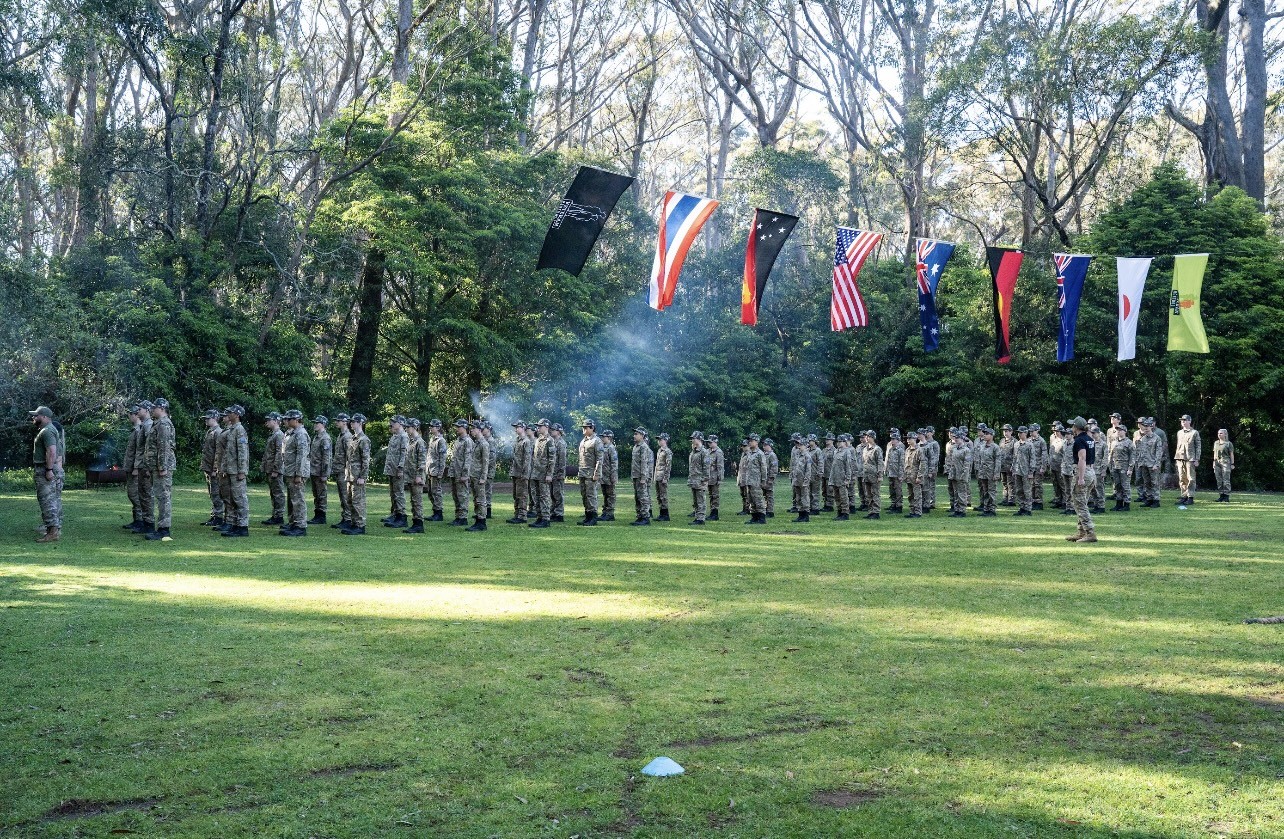
Every program at Veteran Mentors, I see teenagers arrive on program exhibiting behaviors that have been labeled as disorders, disabilities or deficiencies by a medical system eager to diagnose and prescribe. These kids come to us weighted down by labels and medications, many having cycled through counselors, psychologists, and psychiatrists with little improvement for years.
What happens next surprises the medical establishment but not us.
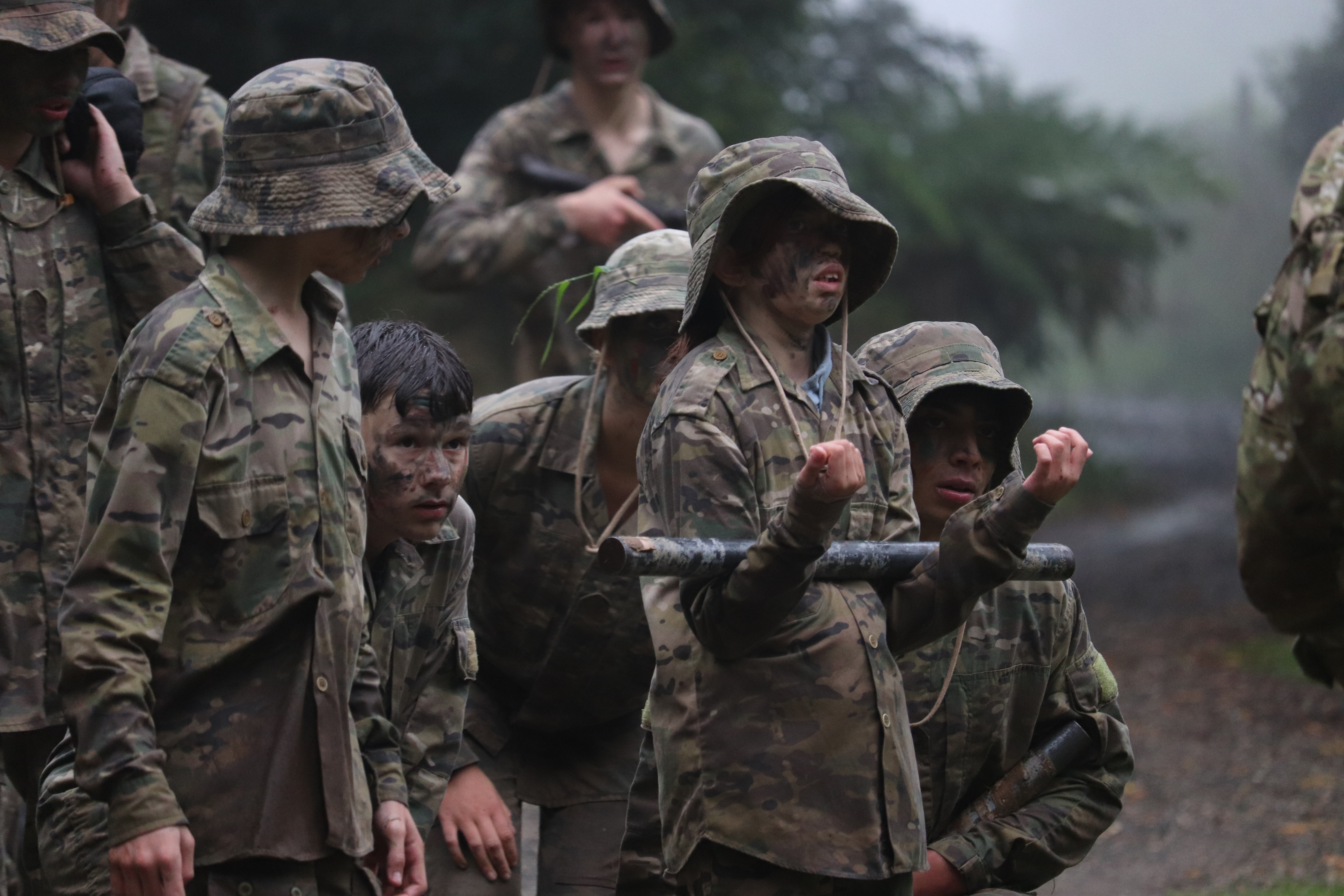
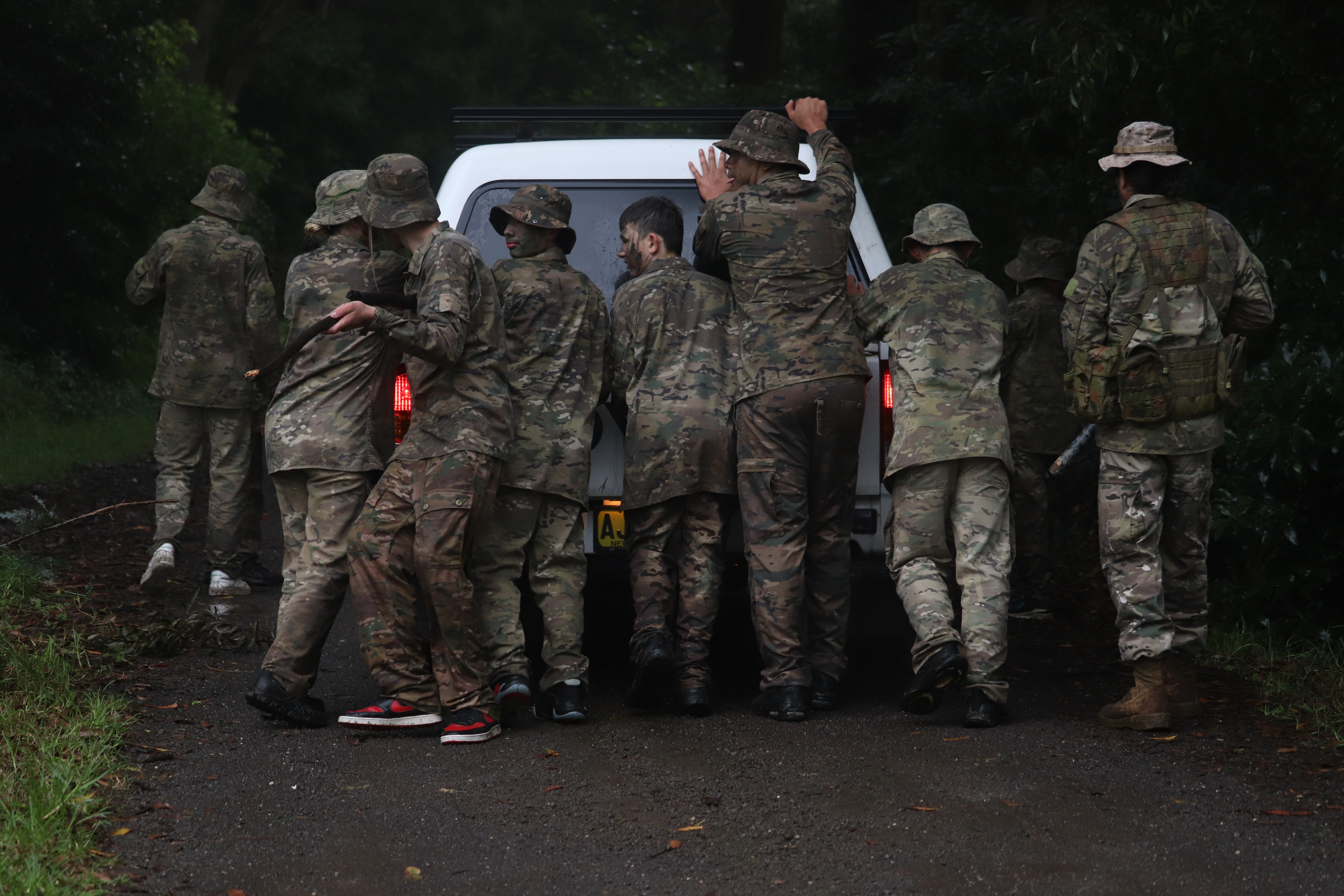
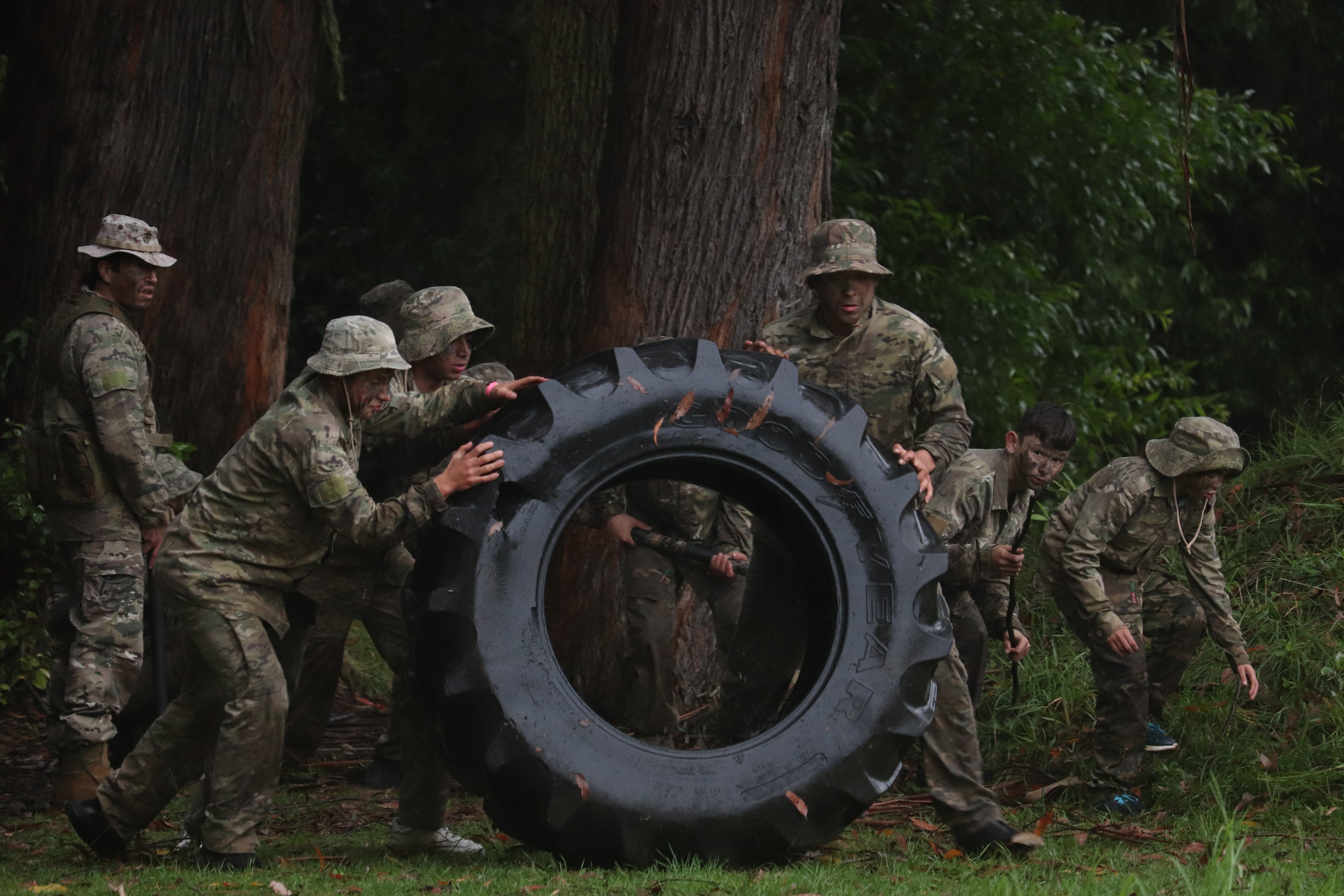
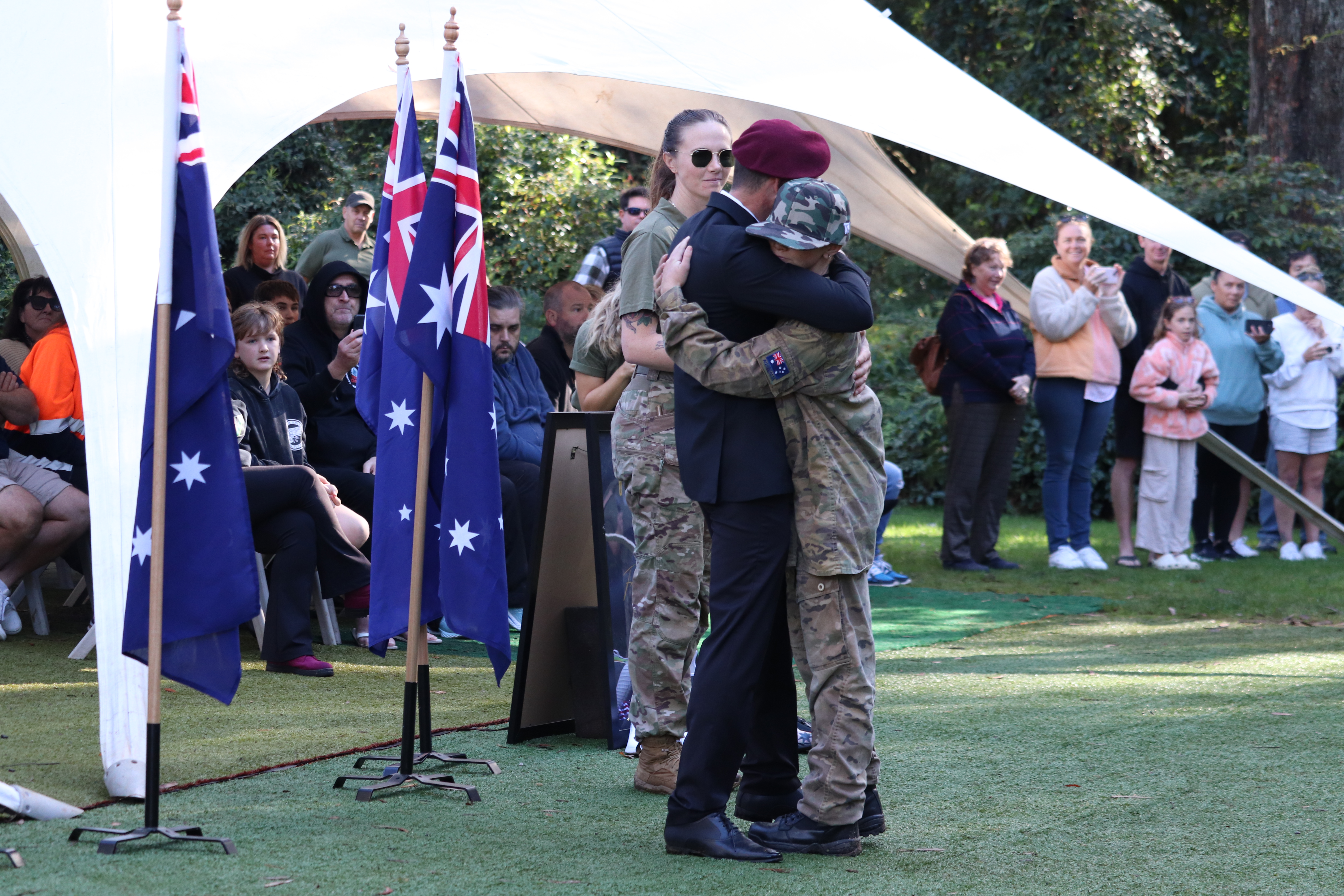
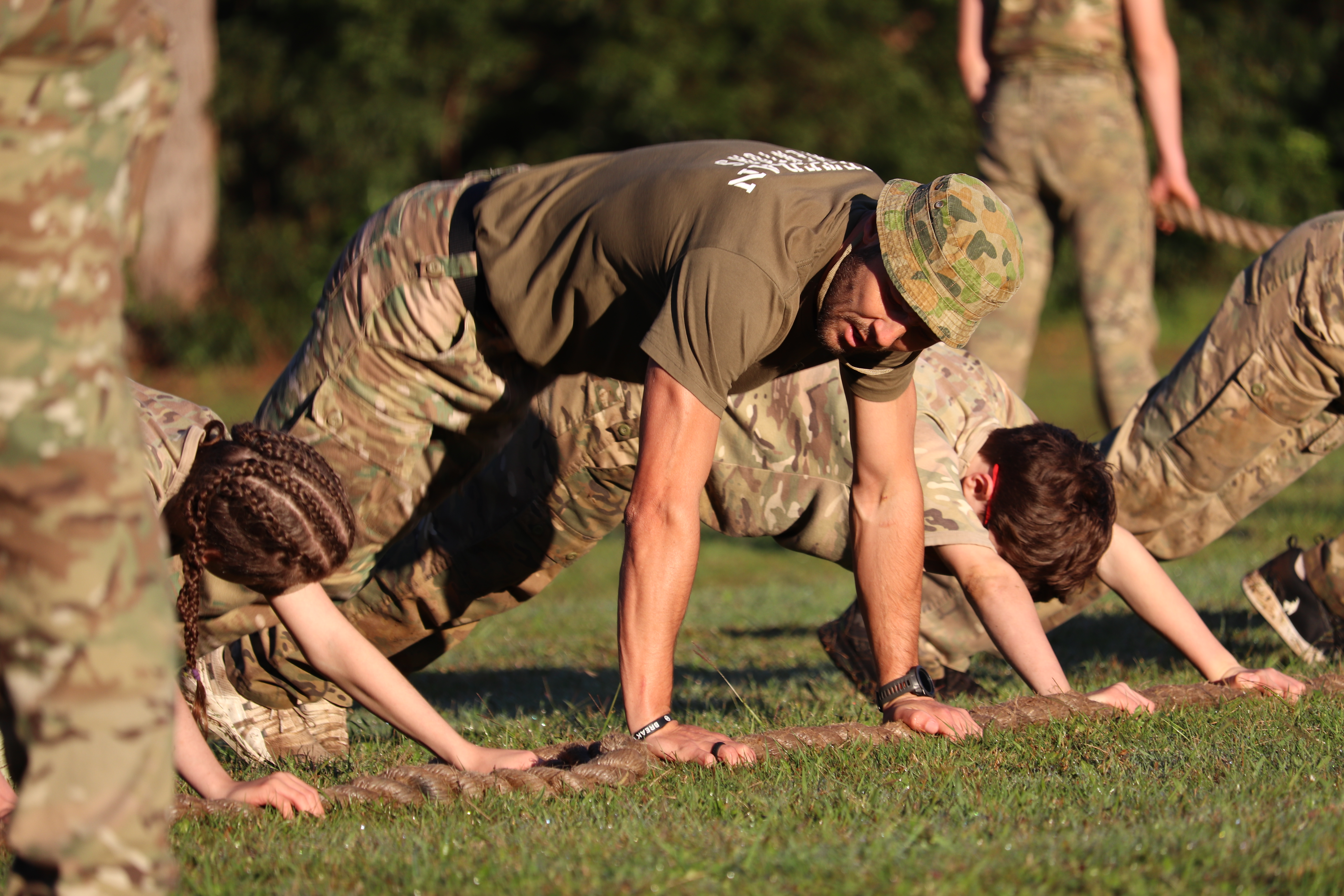
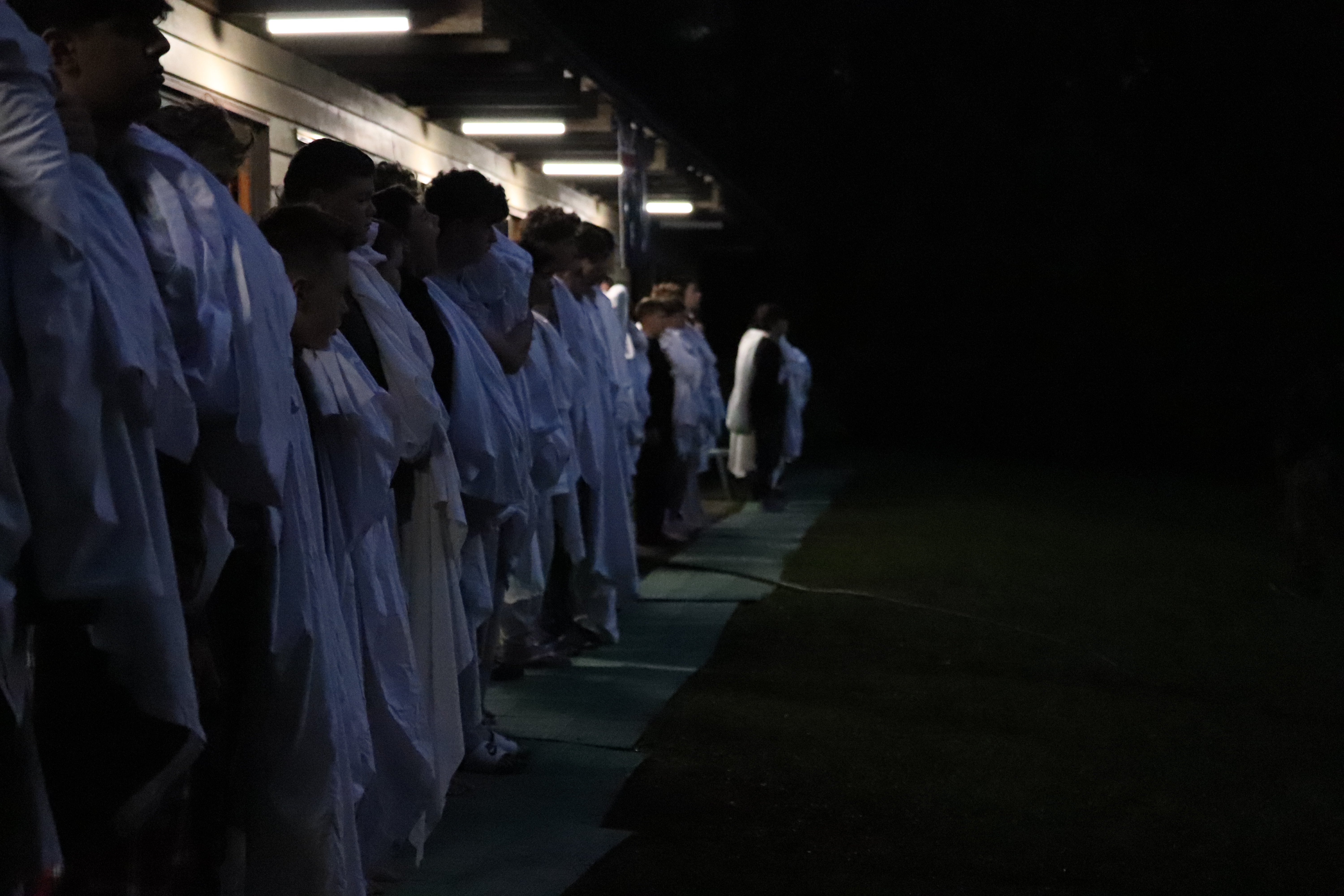
Given structure, purpose, discipline, and genuine mentorship from people who believe in their potential, these same "troubled" teenagers transform before our eyes. They stand taller. They engage more deeply. They discover inner resources they never knew they had. We put them in difficult situations so they feel and understand loss, as a group we learn from our mistakes and accomplish the task. We provide these children self confidance and a sense of worth that can never be replicated by a pill. Many no longer need their medication or significantly reduce it post program.
This isn't coincidence. It's a pattern we've observed across Thousands of cases since founding Veteran Mentors in Queensland and expanding to New South Wales in 2021. The same pattern that caught the attention of Senator Jacqui Lambie, who joined our elite mentoring team and spoke about our work on the senate floor.
When Pills Replace Purpose
The medicalization of childhood has created a self-perpetuating cycle. A child acts out in school. The school, under-resourced and overwhelmed, suggests a medical evaluation after multiple suspensions. Parents, desperate for solutions, comply. Doctors, trained to identify pathology and with limited time per patient, diagnose and prescribe.
Nobody asks the fundamental questions: What does this child need that they're not getting? What purpose are these behaviors serving? What skills are they missing?
Our approach reverses this cycle. We ask these questions first. We create environments where young people discover their capabilities through challenge and support. We establish boundaries while building connections.
The results speak for themselves.
When 7 Spotlight conducted a special investigation on tech addiction with Michael Asher, they discovered something significant: across the entire country, my method was the only one demonstrating consistent success at scale in combating tech addiction—one of the most challenging behavioral issues facing today's youth.
Statistics on Prescription Drug Use in Children and Teenagers (Last 15 Years)
- ADHD medication prescriptions increased by 42% from 2008-2018 for children ages 2-17
- Antidepressant use in adolescents rose by 28% between 2006-2018
- Antipsychotic prescriptions for children under 18 increased 65% from 2005-2020
- Anxiety medication prescriptions for teenagers increased by 54% since 2008
- Pediatric polypharmacy (multiple medications) increased by 35% in the past decade
- Stimulant prescriptions for children 5-12 increased by 47% since 2006
- Asthma medication prescriptions rose 18% for patients under 18 from 2010-2020
- Sleep medication prescriptions for adolescents doubled between 2010-2020
- Antibiotic prescriptions for children decreased by 12% from 2011-2018 (rare decline)
- Mood stabilizer prescriptions for teenagers increased 85% since 2005
Direct Quotes
"There is a concerning trend of over-diagnosis in children's mental health. What was once considered normal childhood behavior is increasingly pathologized and medicated." - Dr. Allen Frances, former chair of the DSM-IV Task Force
"We're seeing a diagnostic inflation where normal developmental variations are being labeled as disorders, creating a generation of children unnecessarily carrying clinical diagnoses." - Dr. Jerome Kagan, Professor of Psychology, Harvard University
"The threshold for diagnosing many childhood conditions has lowered substantially, resulting in many children receiving diagnoses and medications they don't truly need." - Dr. Peter Breggin, psychiatrist and author
"In our rush to help children, we've created systems that over-identify problems and undervalue normal developmental diversity." - Dr. Marilyn Wedge, family therapist
"The pharmaceutical industry has played a significant role in expanding diagnostic categories for children, leading to overdiagnosis and overmedication." - Dr. David Healy, psychiatrist and psychopharmacologist
Beyond The Label
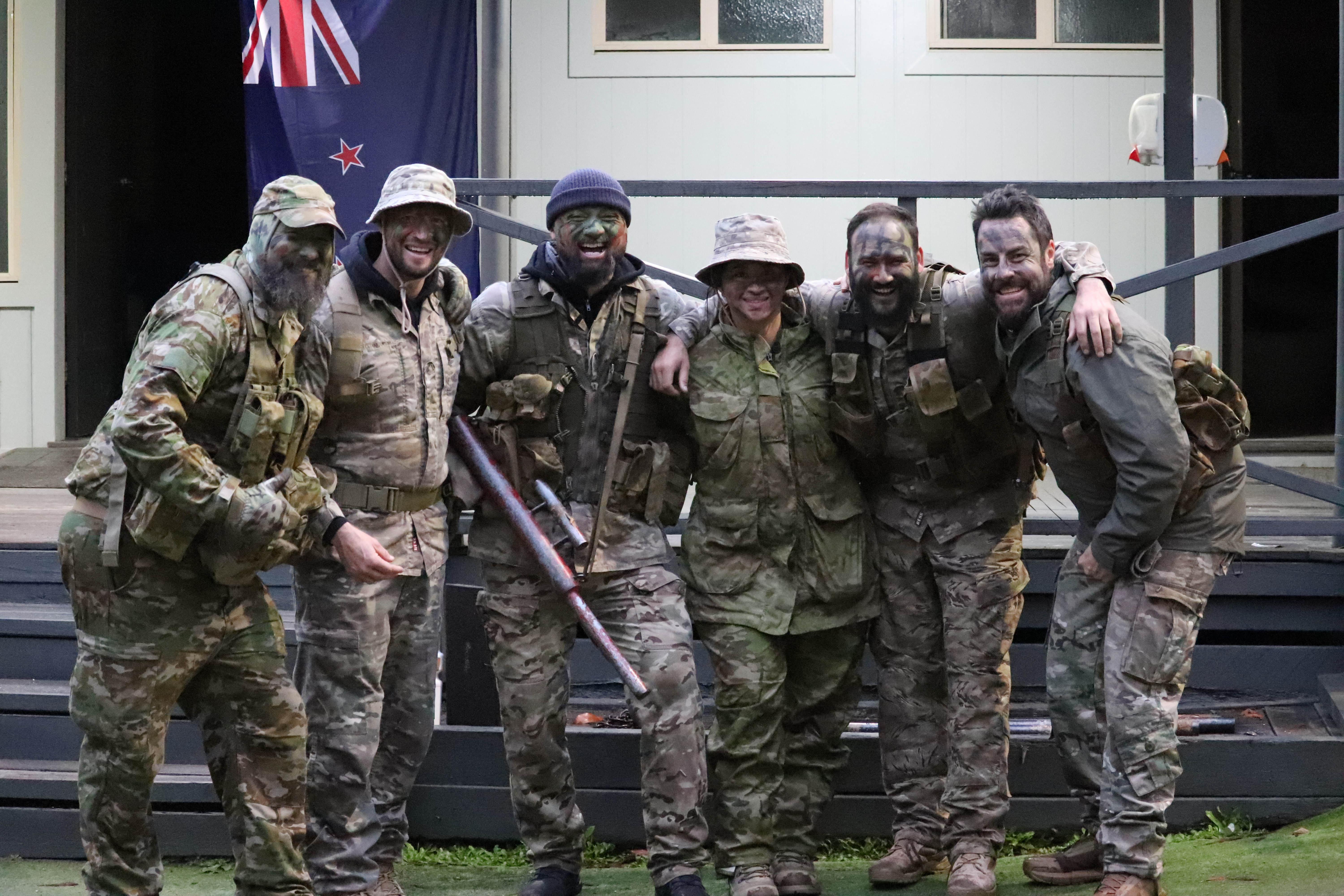
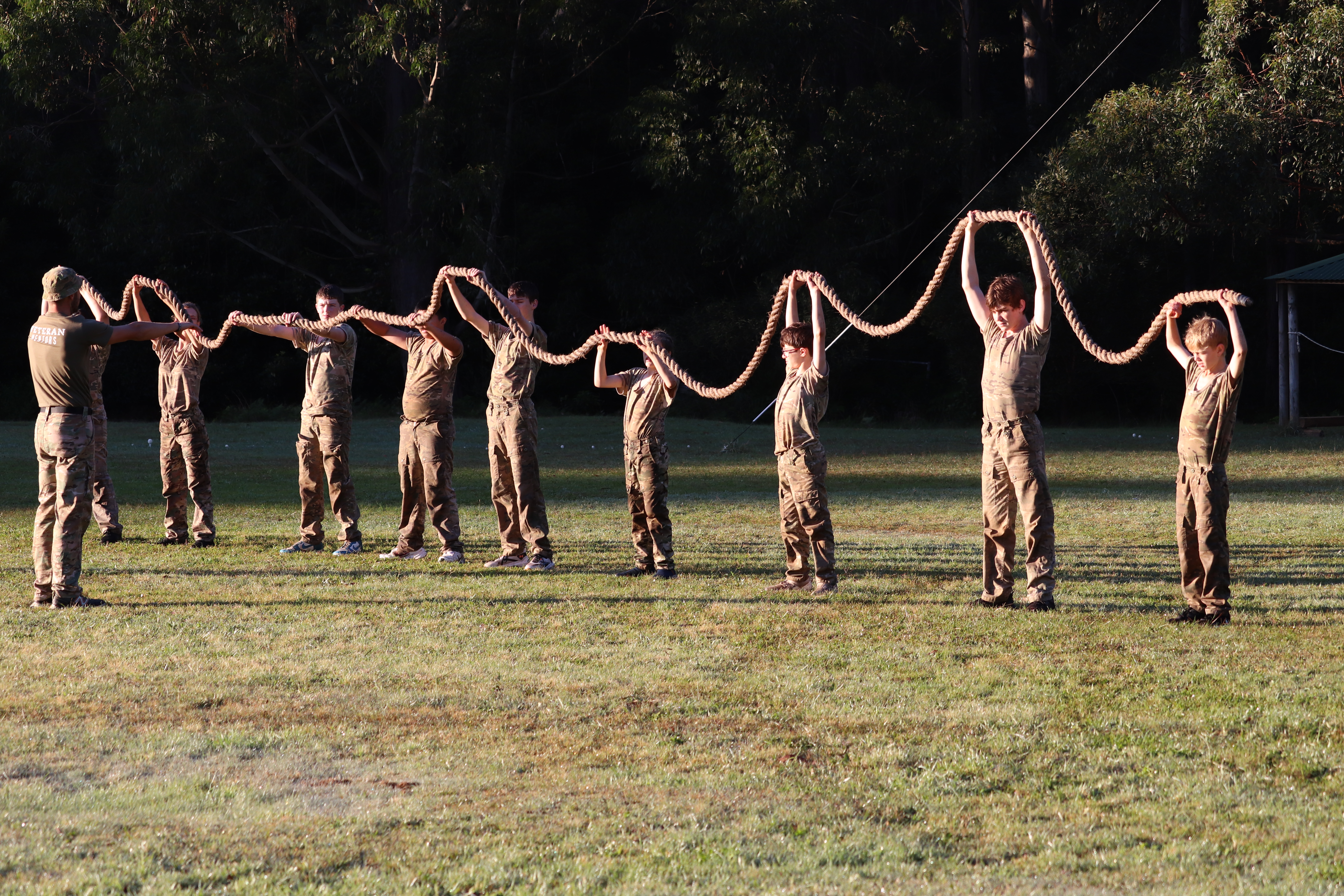
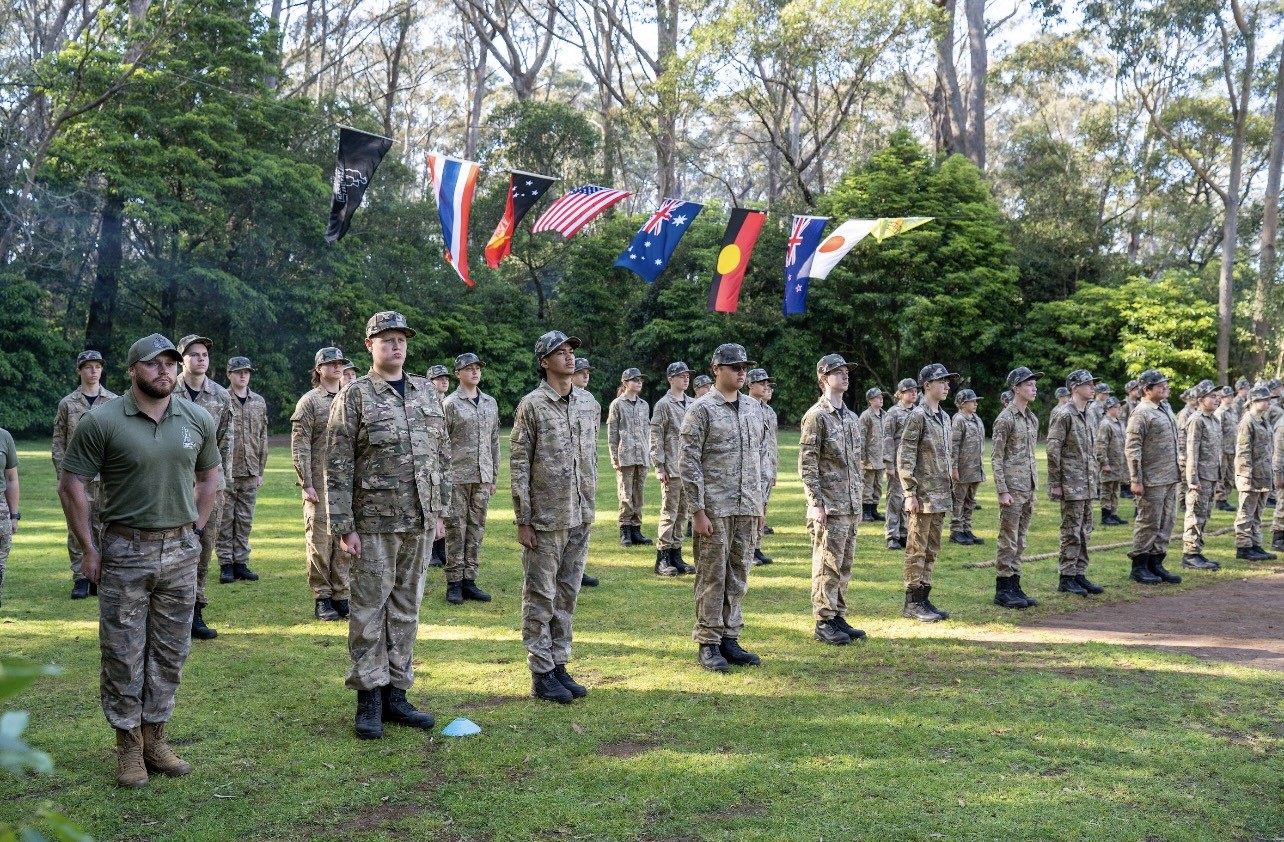
Matthew French, who served in Afghanistan in 2012, founded Veteran Mentors has a simple premise: the discipline, structure, and purpose that shape military personnel can be adapted to transform struggling teenagers.
"I watched too many kids fall through the cracks," says French. "They'd get suspended once or twice, then end up completely lost in a system that views behavioral problems as medical issues rather than developmental opportunities."
This insight forms the backbone of our proposal for systemic change: early intervention through developmental programs should precede medical diagnosis, not follow it.
A Better Path Forward
I am advocating for new policies around the education system that identify children on their first or second suspension and immediately connect them with structured mentoring program. These programs should be nationally recognized, evidence-based, and accessible to all families regardless of location or financial means.
GPs across Australia should have the option—and the mandate—to recommend such developmental programs before initiating traditional medical pathways. If after two or three weeks no improvement is seen, more traditional methods can be introduced.
This approach isn't radical. It's common sense.
It acknowledges that most behavioral issues stem from developmental needs, not medical conditions. It recognizes that structure, purpose, and meaningful connections with adults who believe in them are what most troubled youth are missing—not chemicals to alter their brain chemistry.
From Battleground to Breaking Ground
My method brings a unique perspective to youth intervention. As veterans, we understand both discipline and trauma. We know how to build resilience because we've lived it. We connect with troubled teens because many of us once were those teens.
This perspective has earned us recognition, including two awards at the Prime Minister's Veteran Employment Awards and substantial sponsorship from organizations like Campsie RSL Group ($200,000) and Bunnings ($60,000 worth of boots).
But more importantly, it's earned us results.
We've turned around cases that the traditional mental health system had given up on. We've reunited families torn apart by behavioral issues. We've helped young people discover purpose where before they had only frustration and anger.
And we've done it without reaching first for prescription pads.
The Path Forward
The mainstream mental health and education systems aren't failing because the people within them don't care. They're failing because they're working with outdated models that medicalize normal developmental challenges and behavioral responses to abnormal environments.
We need a system reset that places developmental approaches at the forefront of youth intervention.
Early identification. Immediate mentorship. Medical intervention only when necessary.
It's time to stop medicating the symptoms of a broken system and start building a new one that truly serves our young people. I have proven it's possible. Now I'm calling on policymakers, medical professionals, and parents to join us in making it standard practice.
Our kids deserve nothing less.