
Tough Laws Won't Fix Our Youth Crisis
Tough Laws Won't Fix Our Youth Crisis
I watched with familiar disappointment as Victoria's Labor government announced their plan for the "toughest bail laws ever" to combat what they're calling a youth crime crisis. Another knee-jerk political response that ignores what actually works.
After eight years building what many consider Australia's most effective youth development program, I can tell you exactly why these policies will fail. They always do.
Politicians craft crime policies to appease media headlines, not solve real problems. It's easier to look tough than be effective. Not my words they are senator Lambies words over lunch the other day. She would know!
The reality? Victoria has one of the lowest rates of youth crime in the country. Yet public perception suggests teenagers are running amok through the streets. The disconnect between perception and reality creates the perfect storm for bad policy making.
What Politicians Won't Tell You About Youth Crime
When I deployed to Afghanistan in 2012, I learned something crucial about human behavior. People respond to structure, purpose, and genuine accountability - not just punishment.
The same principles apply to troubled teenagers.
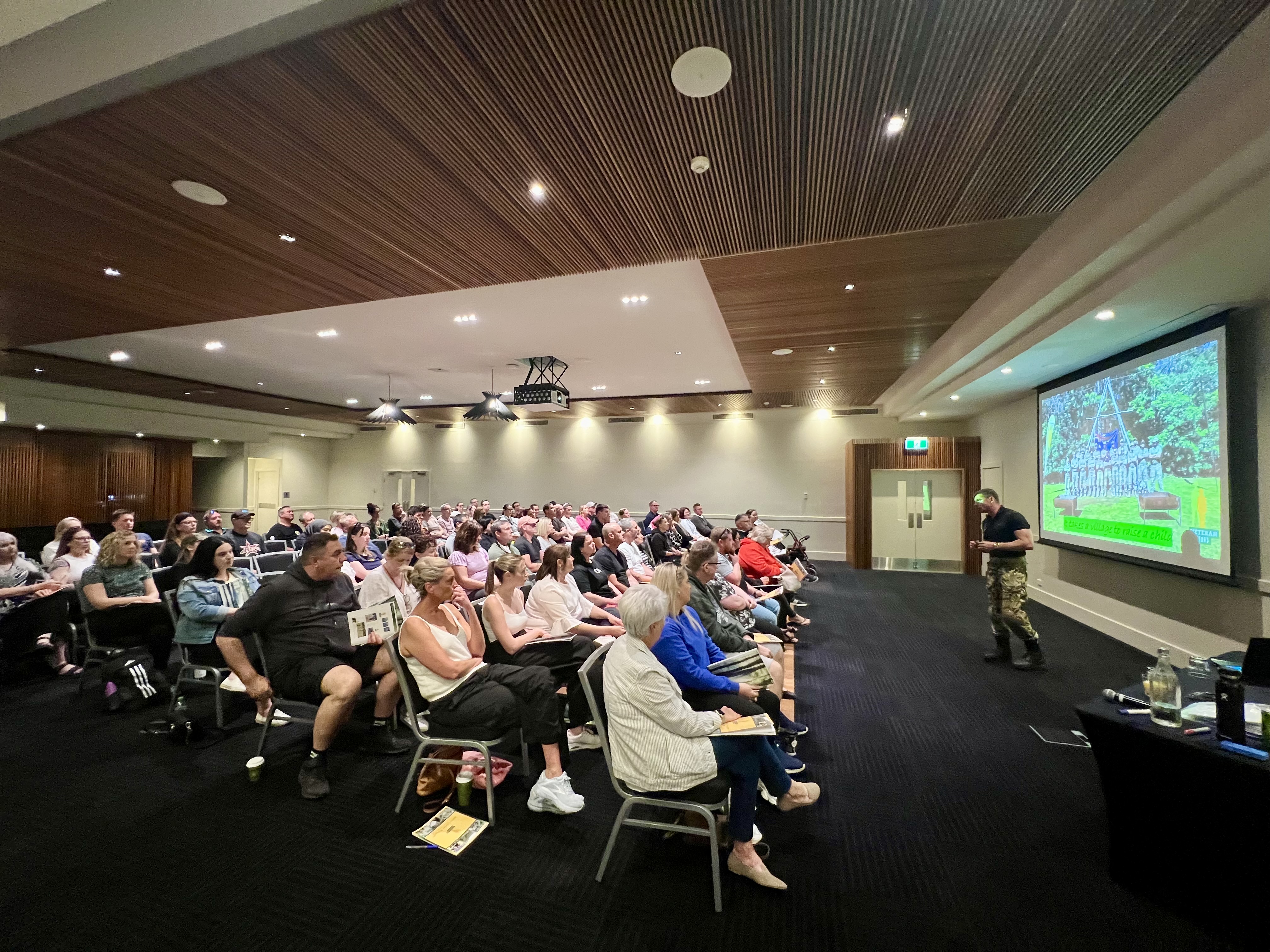
I have worked with Thousands of Australia's most challenging young people. Kids the system had given up on. Kids who'd been lost in the mainstream mental health and education systems. The ones most politicians want to lock up and forget.
Here's what I know from experience: These aren't bad kids. They're kids making bad decisions in impossible situations with no guidance.
The Allan Labor government's move to tighten laws targeting repeat offenders sounds reasonable on the surface. Remove the principle of remand as a last resort. Get tough. Show them consequences.
Except it doesn't work.
The Revolving Door of Youth Justice
I've seen teenagers enter the justice system for relatively minor offenses only to emerge more hardened, more connected to criminal networks, and more likely to reoffend.
When we remove "remand as a last resort," we're not solving a crime problem - we're creating career criminals.
Let me be clear: I'm not soft on crime. In fact, our military-inspired program is anything but easy on troubled teens. The difference is our approach actually transforms lives instead of warehousing them.
In 2021, we expanded from Queensland into NSW because we had over 84 participants – the demand was overwhelming. Parents and communities recognize what works, even if politicians don't.
Senator Jacqui Lambie, who joined my elite team of mentors, has seen our approach firsthand. She was so impressed she gave a speech about our work on the Senate floor. Not because we're soft, but because we're effective. But one program dealing with this on a national level is ridiculous. We need a program that will grab these kids before they hit rock bottom.
The Tech Addiction Nobody's Talking About
While politicians focus on bail laws, they're missing a critical factor driving youth behavioral issues: technology addiction.
7 Spotlight conducted a special investigation with Michael Asher on tech addiction and discovered something remarkable. After searching the country, they found that our program was the only one tested at scale with large numbers of participants that's successfully combating tech addiction.
Why does this matter? Because many youth behavioral issues stem from unaddressed tech addiction, poor mental health, and an education system that fails to engage troubled teens.
Anxiety and depression rates among Australian teenagers have skyrocketed. Phones and social media have rewired young brains for constant stimulation and validation. Many lack basic coping skills or sense of purpose.
No bail law addresses these underlying issues.
What Actually Works With Troubled Youth
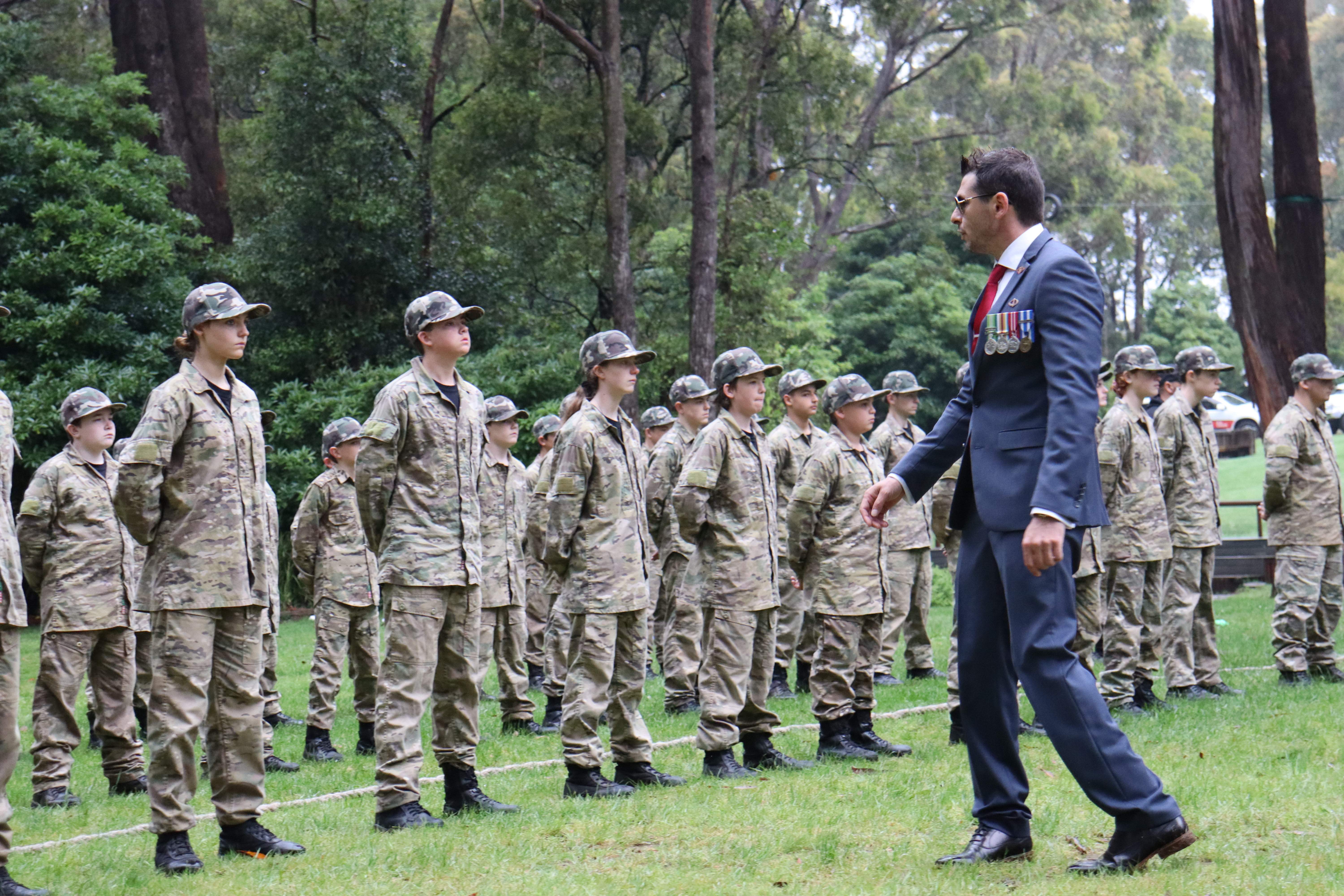
Our approach combines military-style discipline with genuine mentorship from veterans who understand struggle and redemption.
We take kids into the bush. No phones. No distractions. Just challenging situations that require teamwork, personal accountability, and pushing beyond perceived limits.
I've watched the transformation thousands of times. The first few days are hell for these kids. They're angry. Resistant. Looking for ways to manipulate the situation.
Then something shifts.
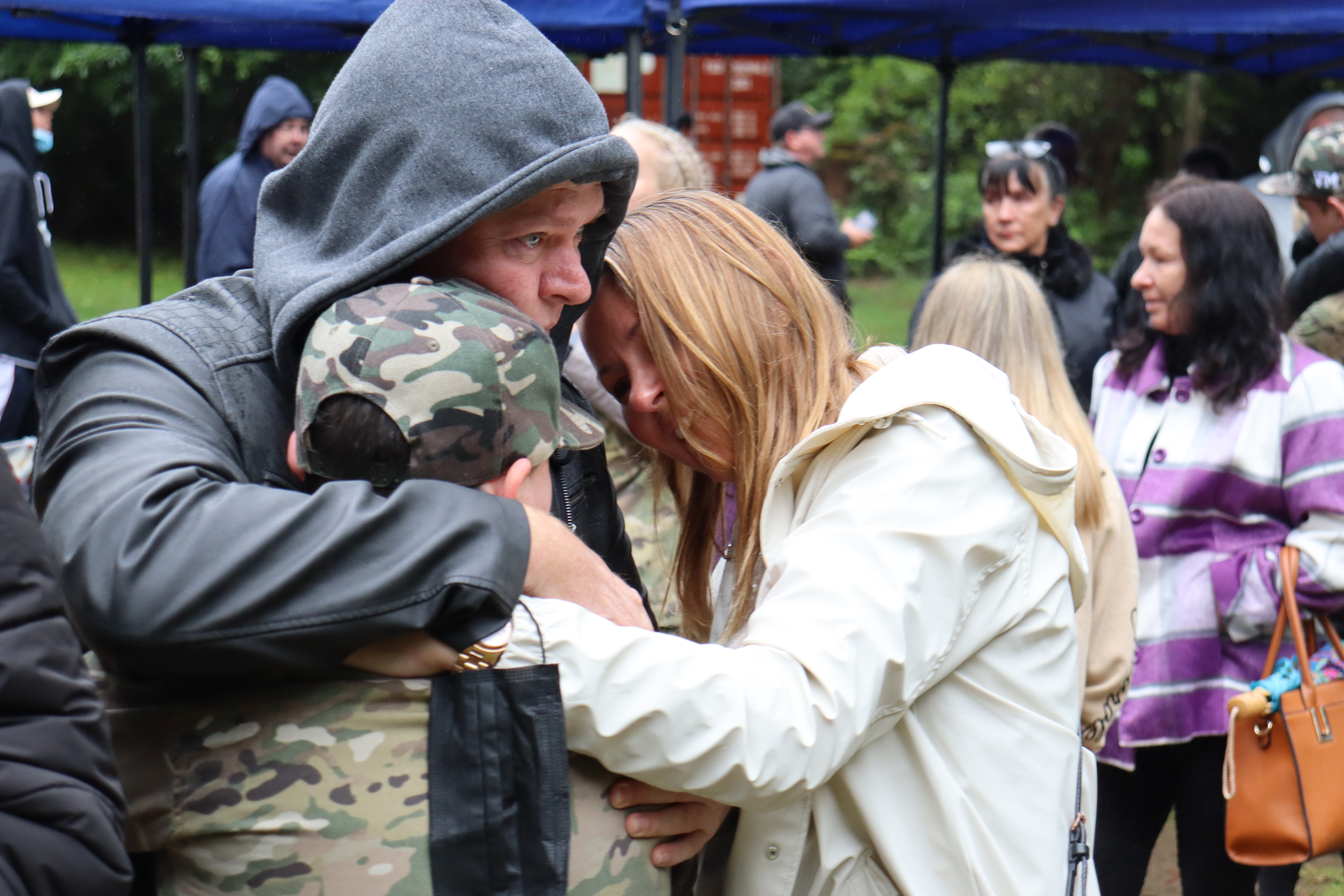
They start to recognize their own strength. They build connections with mentors who refuse to give up on them. They experience pride in genuine accomplishment rather than artificial validation.
They change.
Not because we threatened them with jail, but because we showed them a path to something better through their own efforts.
The Real Politics Behind Youth Crime
Let's be honest about what's happening here. Politicians need to appear tough on crime to win votes.
When Anthony Cianflone MP from Pascoe Vale points out that crime in his electorate is lower than the state average, he's telling an inconvenient truth that doesn't fit the narrative.
The previous repeal of what were called "discriminatory" bail laws followed an Aboriginal woman's death in custody after being remanded for shoplifting. Now the pendulum swings back toward being "tough."
This isn't governance. It's political theater at the expense of effective solutions.
I've been recognized as an expert in youth mentoring and tech addiction. I was mentioned in the Queensland Youth Justice Reform Committee. Campsie RSL Group provided a $200,000 sponsorship to our program. Bunnings sponsored $60,000 worth of boots. Our company won two awards at the Prime Minister's Veteran Employment Awards. This means nothing if i can't fix this problem.
Why? Because we produce real results. But we need more and we need to catch these kids before they reach last resort programs. Instead of schools suspending children at will lets catch them on their first or second.
A Different Path Forward
If politicians genuinely want to address youth crime, they should consider these alternatives:
First, invest in early intervention programs that target at-risk youth before they enter the justice system. It's cheaper and more effective than incarceration.
Second, address the tech addiction crisis directly through education, limits on social media access for minors, and development of healthier alternatives.
Third, reform education to engage students who don't thrive in traditional classroom settings. Not everyone learns the same way. Let's work with the education system and catch these kids likely to offend on the first suspension not the 8th like what I have been seeing for 8 years. Suspension needs to retrain and redevelop. 800 school suspensions a week in NSW alone says that punishment system that is as old as the education system itself needs radical change.
Fourth, expand mentorship programs that connect troubled youth with positive role models who have overcome similar challenges.
Fifth, create meaningful consequences that build responsibility rather than just warehouse young offenders. Allow family GPs that know the child well an option for them to attend an early intervention program before sending them off for a lifetime of psychology and potentially an endless supply of pharmaceuticals.
These approaches work. I have proven it with over 3,500 families nationwide.
The Cost of Getting This Wrong
When I gave the keynote address with Senator Lambie at the Retail Crime Symposium 2024 in Melbourne, I emphasized something critical: the cost of our current approach isn't just measured in crime statistics.
It's measured in wasted human potential. Criminologist Dr Xanthe Mallett agrees
Every teenager we lose to the justice system represents a lifetime of lost productivity, broken families, and continued social problems.
Tough bail laws might sound satisfying to voters concerned about crime. They might create the illusion of action. But they won't address the root causes driving youth behavioral issues. We need to remember it costs $1,000,000 to put 1 child for 1 year in a youth detention facility and they reoffend within the first year of being released and usually the crime is worse than what they were put in detention for.
My mission is to improve the lives of teenagers and families nationwide. We focus on creating real change and lasting results for those who have been lost in mainstream systems. Now my focus will be on early intervention.
I have succeeded where institutions fail because we understand something fundamental: troubled youth need structure, purpose, and genuine connection – not just punishment.
Victoria's proposed bail laws offer none of these things.
I've dedicated my life to proving there's a better way. I've seen transformation in teenagers that politicians and experts claimed were beyond help. I've watched kids society had written off become leaders, mentors, and productive citizens even join law enforcement or the military.
The solutions exist. The question is whether we have the political courage to implement them.
Tougher bail laws might win votes, but they won't win back our troubled youth. And ultimately, that's what matters most.