
Veterans Are Solving What Therapists Cannot
Veterans Are Solving What Therapists Cannot
I watched a 15-year-old boy transform from aggressive and suicidal to motivated and hopeful in just two weeks. After two years of therapy, medication, and multiple trips to emergency rooms, his parents had nearly given up. The difference wasn't another therapy session or an increased medication dose. It was connection with a veteran who understood struggle in ways no clinical setting could replicate.
This isn't an isolated case. I've seen this pattern repeat hundreds of times during my eight years building and leading Veteran Mentors, Australia's most effective youth development program. As the Coalition government promises an additional $400 million for youth mental health services, I'm left wondering if we're scaling the right solutions.
Don't misunderstand me. Mental health funding is desperately needed. With one in seven Australian children and adolescents experiencing mental illness, we're facing a genuine crisis. But will doubling subsidized psychology sessions from ten to twenty sessions make the difference we hope? The evidence suggests otherwise.
The Waiting Game That's Costing Our Children
Recent research surveying 375 young Australians aged 13-17 found teens wait an average of three months for their first treatment session. Three months. If your child was in crisis today, would you accept a first appointment in September?
During the COVID pandemic, 88% of psychologists increased their wait times, with about half of patients waiting more than three months to begin treatment. What happens during those agonizing months of waiting? For many teens, their conditions worsen. Some turn to self-medication. Others retreat further into digital worlds that often exacerbate their isolation.
The research showed most teens use digital mental health tools while waiting. While better than nothing, these are poor substitutes for meaningful human connection – especially for a generation already suffering from tech addiction and social media-induced anxiety.
More money for the same system means more of the same results. More waiting. More isolation. More decline.
What Afghanistan Taught Me About Helping Troubled Teens
In 2012, I deployed to Afghanistan with the Australian military. Combat zones teach lessons you can't learn in classrooms or clinical settings. When you're responsible for lives and missions under extreme conditions, you learn what actually works versus what theoretically should work.
I discovered that practical wisdom outperforms theoretical knowledge. Direct action beats passive observation. And most importantly, genuine human connection trumps professional distance.
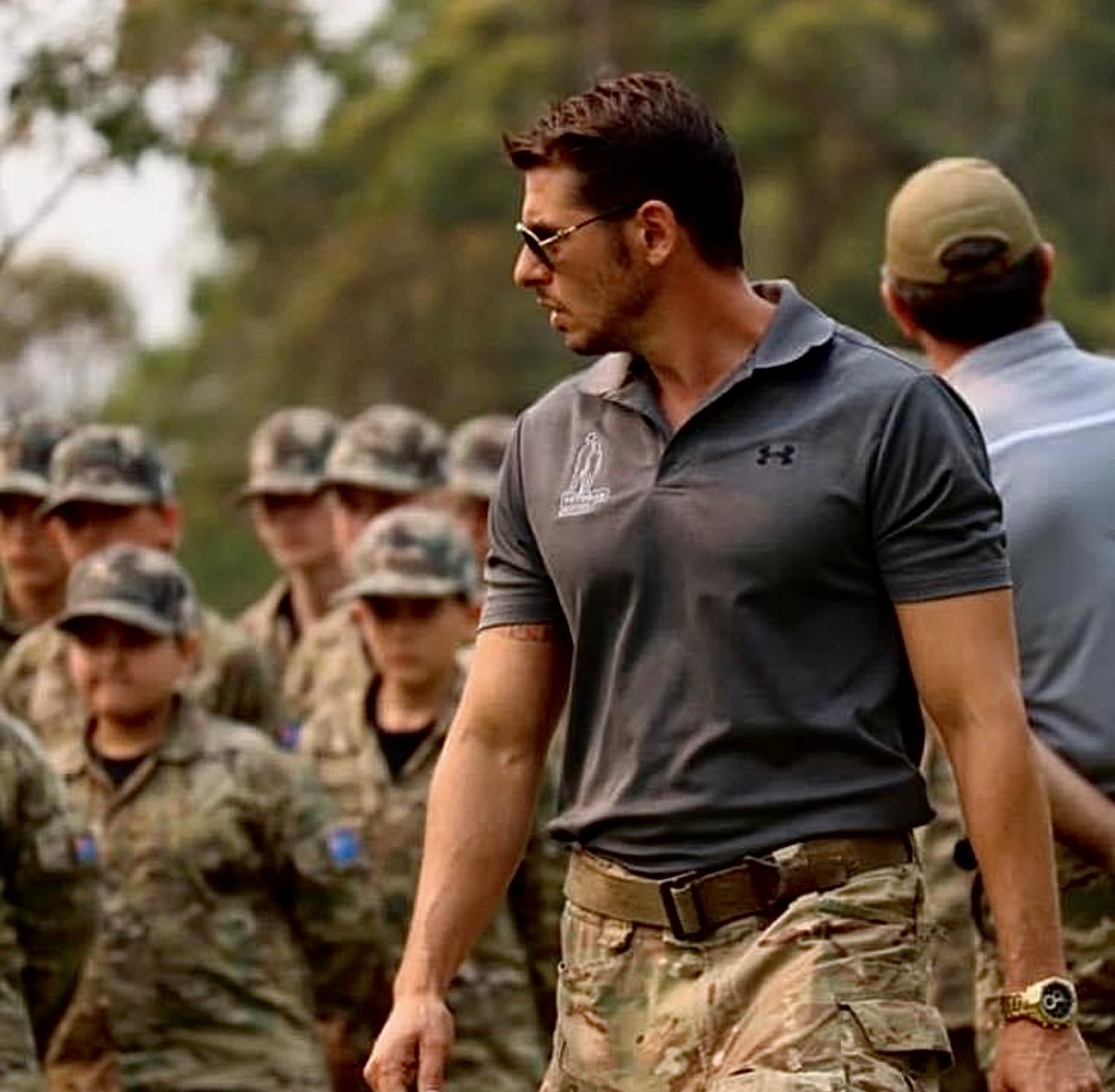
These lessons transferred directly to my work with troubled teenagers. While psychologists necessarily maintain professional boundaries, veterans can connect through shared understanding of struggle. We don't ask teens to explain their feelings for 50 minutes then send them home. We engage alongside them in challenging activities, teaching resilience through shared experience.
My team doesn't have waiting lists. When a parent calls about their struggling child, we respond immediately. Crisis doesn't accommodate scheduling.
Why Military Mentality Makes the Difference
Veterans bring unique qualities to youth mentoring that traditional therapists often cannot:
First, we understand genuine adversity. Teens can spot authenticity instantly. When a veteran who's faced combat talks about overcoming challenges, teens listen differently than when hearing from someone who's only studied trauma academically.
Second, we focus on capability, not deficit. The clinical model often emphasizes what's wrong with a child. Our military background trains us to assess capabilities and build on strengths. We see potential where others see pathology.
Third, we provide immediate structure. Troubled teens typically lack boundaries and routines. The military teaches the stabilizing power of structure. Our programs implement immediate frameworks that provide security and predictability – often within hours, not months.
Fourth, we value accountability within community. Healing doesn't happen in isolation. Our programs build mini-communities where teens learn they're simultaneously responsible for themselves and vital to others – a powerful antidote to the isolation driving much adolescent suffering.
The Results Speak for Themselves
When Senator Jacqui Lambie joined our elite mentoring team in January, she witnessed firsthand what initially seemed improbable: teenagers detaching from technology, engaging with peers, and developing confidence through progressive challenges.
This caught the attention of 7 Spotlight, which filmed a special investigation with Michael Asher on tech addiction. They discovered that after searching the country, My program was the only program tested at scale showing consistent success beating teen tech addiction.
Our approach was featured in Woman's Weekly, recognized at the Prime Minister's Veteran Employment Awards, and supported by Campsie RSL Group with a $200,000 sponsorship. Bunnings provided $60,000 worth of boots for participating teens, recognizing the practical results of our methodology.
Senator Lambie even spoke about our work on the senate floor. Why? Because she's seen what I've seen – transformation that happens in weeks, not years.
The $400 Million Question
I support increased mental health funding. But I question whether allocating all those resources to expand what's already failing many families represents the best investment in our children's future.
Consider the economics alone. A typical psychological treatment regimen costs thousands per child and spans months or years. Our intensive veteran-led programs produce measurable improvements in weeks, often at a fraction of the cost. Scaling this approach nationally would transform more young lives while reducing long-term burden on our healthcare system.
But this isn't primarily about money. It's about effectiveness. It's about children suffering today who need help that works.
What if a portion of that $400 million supported programs with demonstrated success? What if we recognized that clinicians and veteran mentors could work complementarily, with different youth responding to different approaches?
Beyond Traditional Therapy: What Teens Actually Need
The mental health establishment has become increasingly detached from what teenagers actually need. While cognitive-behavioral techniques and medication have their place, they often fail to address the fundamental needs of today's youth:
Connection to something beyond screens. Purpose beyond academic achievement. Challenges that build genuine confidence. Role models who demonstrate resilience rather than just discussing it theoretically.
Veterans naturally provide these elements. We've lived lives of purpose and overcome genuine adversity. We understand that growth happens through challenge, not comfort. We recognize that belonging to something meaningful is itself therapeutic.
When a teenager who hasn't left their bedroom in months suddenly finds themselves building a shelter alongside a veteran who survived Afghanistan, something profound happens. The teen's problems don't disappear, but they're recontextualized. What seemed insurmountable becomes manageable when viewed through the lens of someone who's overcome genuine hardship.
A Different Future for Youth Mental Health
If we truly want different results for our struggling youth, we need different approaches. The Coalition's additional $400 million could transform youth mental health in Australia, but only if we're willing to look beyond simply expanding what already exists.
I envision a future where parents of struggling teens don't automatically face months of waiting for help. Where schools have access to a national backed youth program alongside counselors. Where "treatment" isn't limited to clinical settings but extends into meaningful real-world experiences.
This future is possible now. We've proven the model works. We've demonstrated scalability by expanding from Queensland into NSW, where demand quickly outpaced our initial projections. We've documented the outcomes that convince even the most skeptical parents and educators.
What we haven't yet seen is recognition at the policy level that alternative approaches deserve support alongside traditional models. I am ready to do what i do best, build a national program at scale to catch kids early not after the system has failed them.
A Call for Balanced Investment
I'm not suggesting we abandon traditional mental health services. Many young people benefit from psychological interventions and medication. But I am advocating for balance.
When one in seven of our children suffers from mental illness, we need multiple pathways to healing. When teenagers wait three months for their first therapy appointment, we need immediate interventions available.
I call on policymakers to examine the evidence. Look at programs producing real results. Consider allocating some portion of mental health funding to scale approaches like veteran-led mentoring that demonstrate measurable outcomes.
The stakes couldn't be higher. Behind every statistic is a child suffering today. While they wait for their first therapy appointment, their condition often worsens. Some won't survive the wait.
I've stood at too many memorials for young people who didn't get the right help in time. I've comforted too many parents who wish they'd found alternatives sooner. I've watched too many teenagers languish in systems that can't accommodate their immediate needs.
But I've also witnessed remarkable transformations when veterans connect with troubled youth. I've seen teens step away from suicide attempts toward purposeful lives. I've watched aggressive behavior transform into leadership. I've celebrated as technology addictions give way to genuine human connection.
These outcomes aren't miraculous or mysterious. They're the predictable result of a methodology proven effective through years of implementation and refinement.
As Australia commits additional resources to youth mental health, we face a choice: more of what's already failing many families, or balanced investment in complementary approaches with demonstrated success.
Our children deserve better than three-month waiting lists. They deserve immediate access to people who understand struggle and can guide them through it.
They deserve veterans who can provide what therapists often cannot: lived experience of overcoming adversity, practical wisdom about resilience, and immediate connection when they need it most.
The $400 million question isn't whether we should help our children. It's whether we'll have the courage to help them differently.