
What This Veteran & Youth Mentor Entrepreneur Knows About Stopping Teen Crime Sprees
What This Veteran & Youth Mentor Entrepreneur Knows About Stopping Teen Crime Sprees
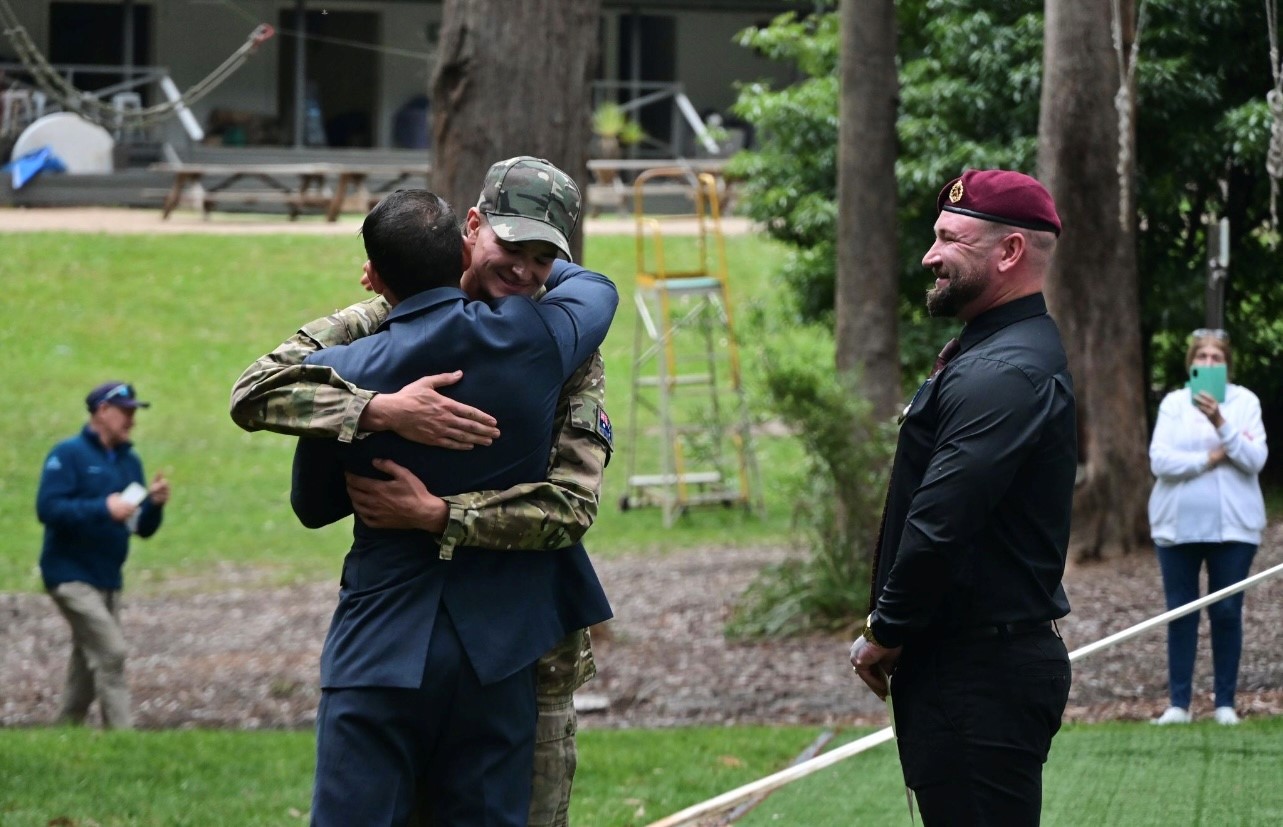
I watched a 15-year-old boy who'd been arrested three times transform into someone his family barely recognized in just six months. It wasn't magic or medication. It was structure, accountability, and mentorship from people who've seen the worst humanity has to offer and survived to tell the tale.
Australia's youth crime crisis has reached breaking point. Victoria alone recorded 23,810 youth crime incidents in 2023-2024—the highest since 2009 and a staggering 17 percent jump from the previous year. Behind these statistics are real incidents: a teenage girl charged with stabbing a 14-year-old and a security guard at Pacific Epping shopping centre, a 17-year-old girl refused bail, four teens charged after confronting a couple in Melbourne's east at 4am.
This isn't abstract to me. I've spent eight years building what many now recognize as Australia's if not the worlds most effective youth development program after serving my country in Afghanistan. What I've learned about troubled teens would shock most parents and frustrate most politicians.
The System Is Failing Our Kids
Let me be blunt: our current approach to youth crime isn't working. When I founded Veteran Mentors in Queensland, it wasn't because I thought Australia needed another youth program. It was because I saw teenagers falling through massive cracks in our mental health and education systems, with families desperate for real solutions.
The mainstream approach treats troubled teens with kid gloves. Soft bail laws. Endless chances. Therapeutic interventions disconnected from consequences. As forensic psychologist Tim Watson-Munro correctly noted, our current bail laws are "just a joke."
I've sat across from parents who've tried everything—therapy, medication, alternative schools, even residential programs. Nothing worked. Why? Because most approaches lack the one thing veterans understand better than anyone: real accountability coupled with unwavering support.
The Social Media Weapon
Watson-Munro hit another nail on the head: social media is a powerful enabler of youth crime. I've seen it firsthand. Teens film crimes for clout. They coordinate in private groups. They follow influencers who glamorize the worst behaviors imaginable.
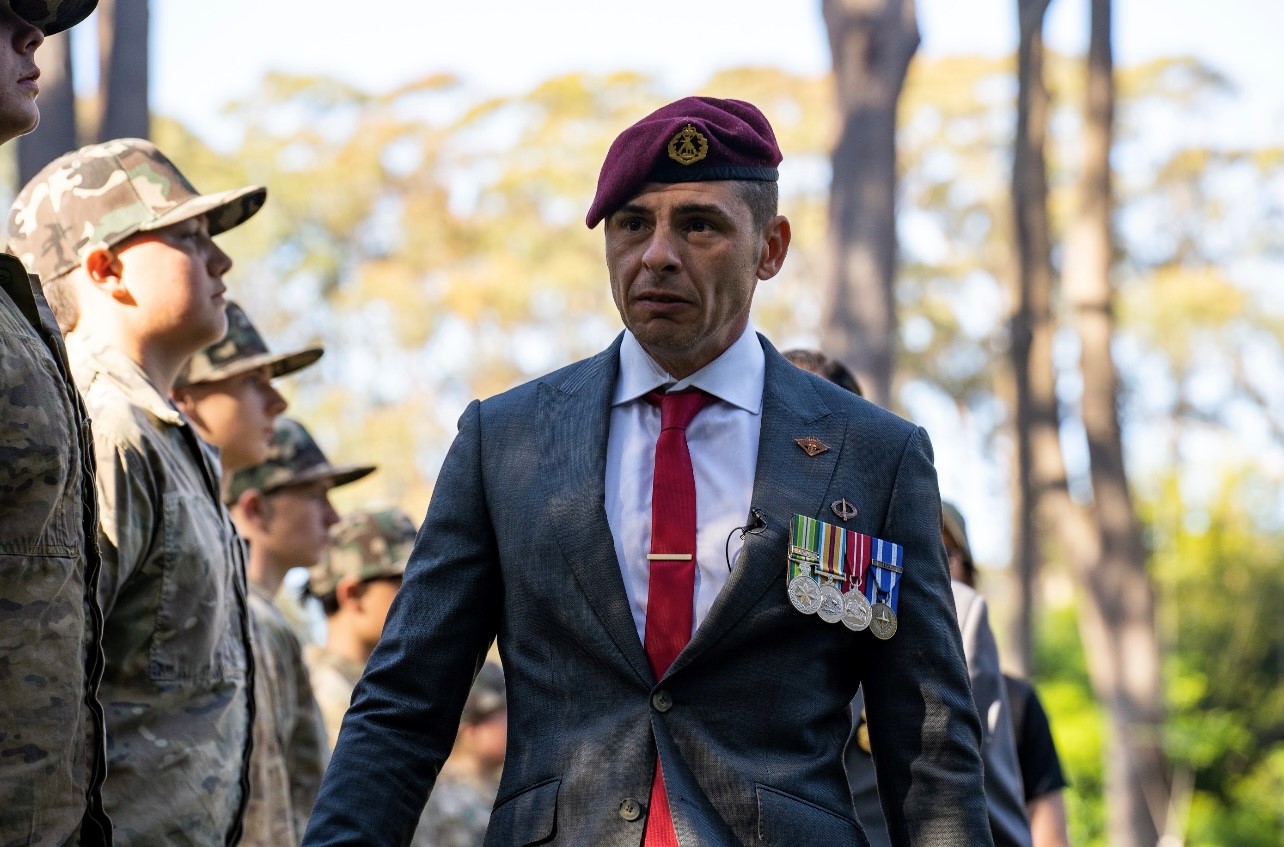
But I've discovered something the experts miss: tech addiction isn't just a side issue—it's central to the crisis. The dopamine-driven feedback loops of social validation are rewiring developing brains. When Senator Jacqui Lambie joined my elite mentoring team in January, she was shocked by what we've learned about breaking the grip of tech addiction.
After searching the country, 7 Spotlight found our program was the only one successfully beating tech addiction at scale. This isn't by accident. Veterans understand addiction—we've seen it destroy good soldiers. We know it requires more than counseling sessions and good intentions.
What Military Discipline Actually Means
When civilians hear "military discipline," they often picture drill sergeants screaming at recruits. That's Hollywood nonsense. Real military discipline is about consistency, follow-through, and unwavering standards—held with compassion.
Our troubled teens don't need more platitudes or participation trophies. They need adults who won't break promises, who show up every day, who set clear expectations and hold them to those standards regardless of excuses.
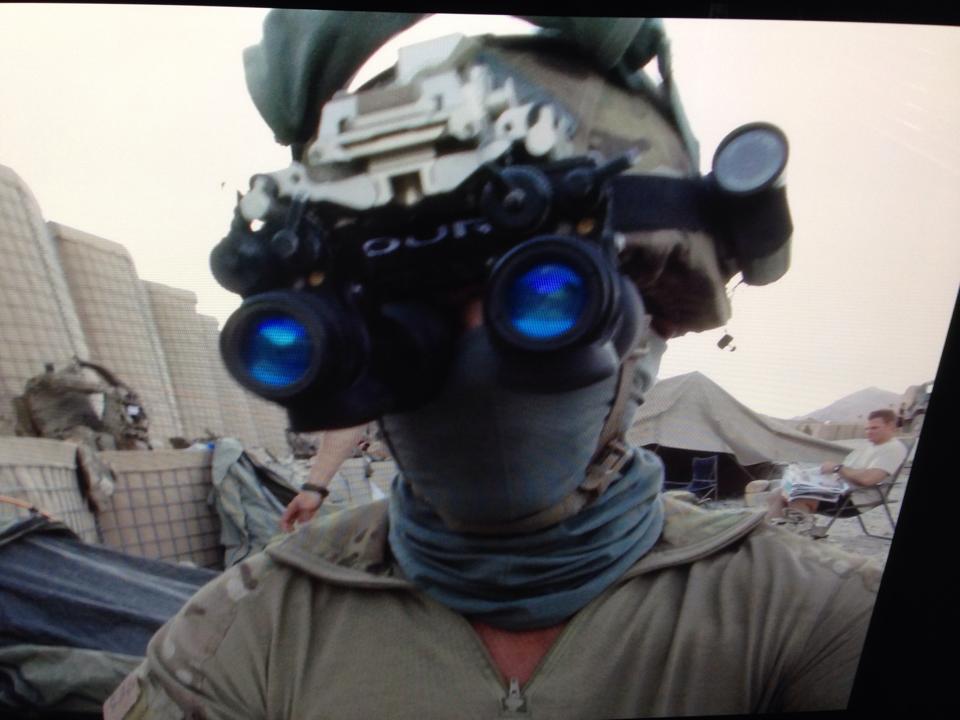
During my deployment to Afghanistan in 2012, I learned lessons about human behavior no university could teach. When lives are on the line, you learn quickly what motivates people, what breaks them, and what builds them back stronger.
I've applied these lessons to teenagers who've been written off by schools, courts, and sometimes even their own families. The results speak for themselves.
Why Traditional Approaches Fail
Most youth intervention programs make a critical mistake: they separate consequences from care. Either they're all punishment with no support, or all support with no real accountability.
Veterans intuitively understand you need both. In combat, we lived this reality daily—strict protocols existed alongside the deepest bonds humans can form. This dual approach is missing from most youth crime interventions.
The second mistake is inconsistency. Politicians change strategies with election cycles. Funding comes and goes. Programs start and stop. Staff turnover creates relationship ruptures for kids who've already experienced too many.
Our mentors commit. Period. When Campsie RSL Group provided $200,000 in sponsorship, they didn't just write a check—they recognized the power of unwavering commitment to these kids.
Real Solutions Require Real Change
Australia needs to make hard choices about youth crime. Based on my experience leading thousands of troubled teens through transformation, I can tell you what actually works:
First, we need bail laws with teeth. When teens face no immediate consequences for criminal behavior, we're teaching them the worst possible lesson.
Second, we need targeted tech addiction intervention. This isn't about taking phones away—it's about rewiring reward pathways through immersive, challenging experiences that provide natural dopamine replacement.
Third, we need mentors who've faced real adversity. The troubled teens I work with can spot inauthentic authority figures instantly. They respect people who've overcome genuine challenges—like veterans who've served their country and come home to serve their community. Mentors also need to be a person who lives his or her life in a way that would be attractive to a 14-17 year old. Having a 50-year-old that is overweight tell our youth how to live a great life just doesn't cut it. These kids need to look at us and think 'I want to be like that when I become an adult'. Sounds harsh, of course it is but it is reality.
Fourth, we need to stop pretending family structure doesn't matter. In almost every case I've handled, family breakdown played a role. We can't fix everything, but we can provide surrogate structure when biological families struggle.
Fifth, Our policy makers need to start to recruit based off real-world experience and maybe start to look towards the private sector for real solutions. Relying on the same intellectuals taught from the same textbooks to get us out of this mess when it was them who got us in is insanity at its very best. One example is this wonderful plan to put teen offenders with ankle monitors back into schools. If I was in charge and that's what was advised to me, I would sack that individual on the spot.
The Hard Truth Few Will Say
Here's what politicians won't tell you: fixing youth crime requires saying no. Setting boundaries. Creating consequences. Being the bad guy sometimes.
When Senator Lambie gave a speech about our work on the Senate floor, she understood this fundamental truth. When I gave the keynote address at the Retail Crime Symposium 2024 in Melbourne, industry leaders recognized it too.
We've won awards at the Prime Minister's Veteran Employment Awards not because we're soft, but because we're effective. We create real change and lasting results by applying battle-tested principles to the youth crime battleground.
The solution to Australia's youth crime epidemic isn't complicated, but it is difficult. It requires courage from parents, educators, and lawmakers to implement approaches that work rather than those that simply feel good or look good on paper.
I've watched hundreds of troubled teens transform their lives. Not through magic interventions or miracle cures, but through the steady application of principles I learned serving our country. If we're serious about addressing youth crime, it's time we applied these lessons nationwide.
The question isn't whether we can stop teen crime sprees. The question is whether we have the courage to do what actually works.