Why Traditional Mentoring Is Dead: A Veteran's Revolution in Youth Development
Why Traditional Mentoring Is Dead: A Veteran's Revolution in Youth Development
I've seen both battlefields – Afghanistan's harsh terrain and the internal struggles of today's youth. Both require strategy, understanding, and unwavering commitment. But while my military service taught me discipline, it's what came after that showed me how to truly change lives.
Let me be clear: traditional mentoring is failing our youth. I'm not here to sugarcoat this reality. After working with thousands of teenagers across Australia, I've discovered that effective mentoring isn't about feel-good conversations over coffee. It's about creating real, lasting change through my proven systems.
When I founded Veteran Mentors, I brought more than just military experience. I brought a understanding that today's youth face a battlefield of their own – one dominated by screens, social pressure, and systemic failures in education and mental health support. But most importantly a lack of real world role models.
Here's what effective mentoring really looks like in 2024:
First, it's about structure. Not the rigid, one-size-fits-all approach that's failing in our schools, but a flexible framework that adapts to each individual while maintaining clear boundaries and expectations. This isn't theory – it's battle-tested through our programs across Queensland and New South Wales.
The key is understanding that modern mentoring requires a holistic approach. When I work with a teenager struggling with tech addiction (and believe me, I've seen hundreds), it's never just about the screen time. It's about the void they're trying to fill and the love they are searching for in all the wrong areas.
I remember one participant (let's call him Jake) who came to us after cycling through three different psychologists. Traditional approaches had failed him. Why? Because they were treating symptoms, not causes and in a clinical setting.
Real mentoring digs deeper. It's about building trust through action, not just words. When I take groups through our programs, we're not just talking about change – we're creating it in real-time. Physical challenges, team activities, and personal responsibility all play their part.
But here's what most people get wrong about mentoring: they think it's about the mentor. It's not. It's about creating an environment where young people can discover their own strength.
The military taught me that leadership isn't about having all the answers – it's about having the right questions. When I'm working with a young person, I'm not there to solve their problems. I'm there to help them develop the tools to solve their own.
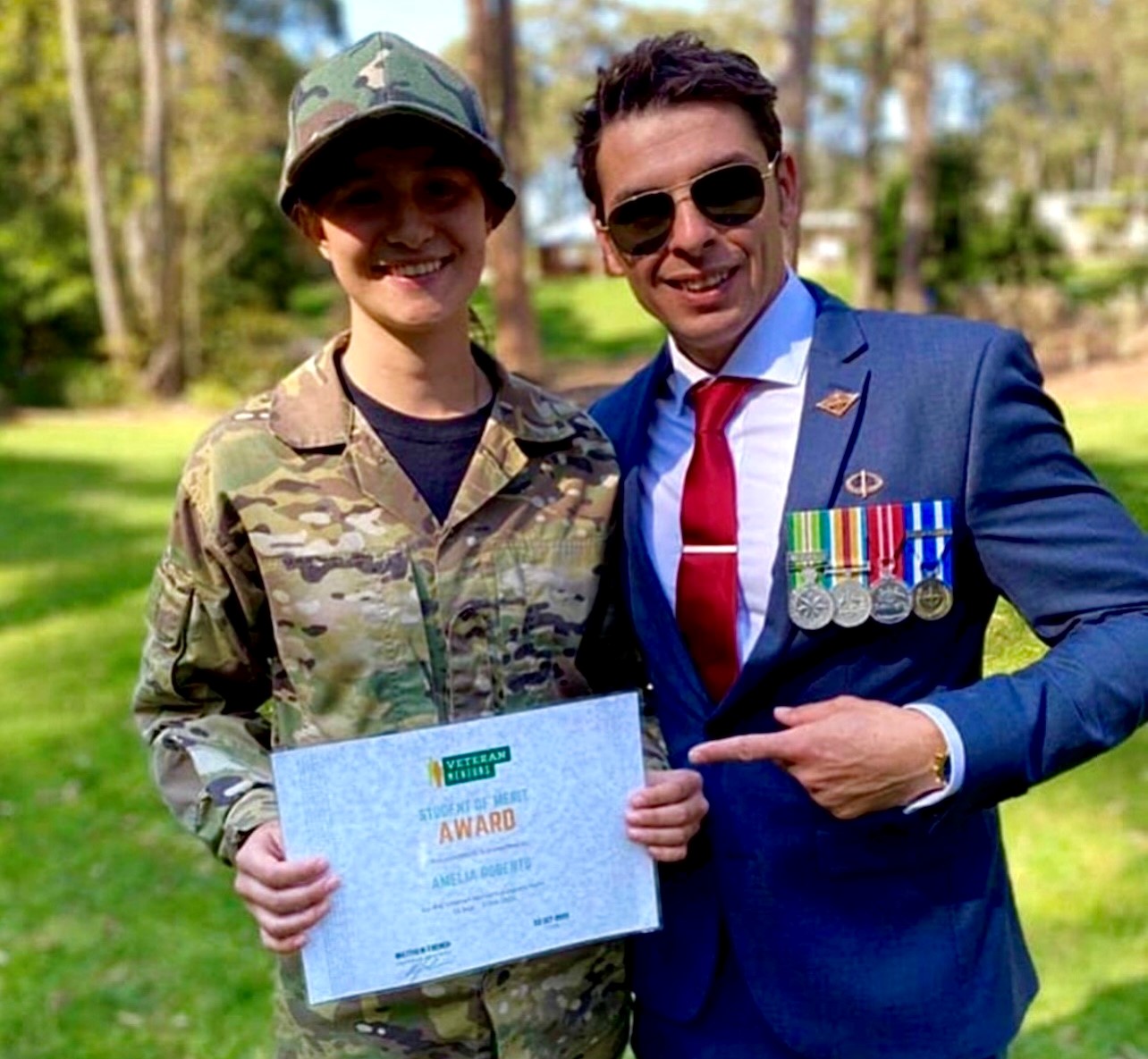
This approach has led to partnerships with Senator Jacqui Lambie, coverage on 7 Spotlight, and recognition at the Prime Minister's Veteran Employment Awards. But these aren't just accolades – they're validation of a methodology that works.
The proof is in the numbers. Our expansion into NSW wasn't just geographical growth – it was a response to demand. Parents, schools, and even government bodies saw what we were achieving and wanted more.
Effective mentoring in today's world requires:
Understanding the digital landscape. You can't help a teen with tech addiction if you don't understand the pull of social media and gaming. This isn't about demonizing technology – it's about teaching healthy boundaries.
Real-world consequences and rewards. The modern education system often shields young people from both. In our programs, actions have immediate, tangible results.
Family integration. Working with a teenager in isolation is like trying to fix a car's engine while ignoring the transmission. Everything's connected.
Being relatable, children need to look at their mentor as someone they would want to be or emulate.
A long-term vision. Quick fixes don't exist. Real change takes time, commitment, and consistency.
I've seen this approach transform lives. Not just in the controlled environment of our programs, but in the real world where it matters most. Parents report lasting changes. Schools notice improved engagement. Most importantly, the young people themselves discover capabilities they never knew they had.
The future of mentoring isn't in offices or classrooms – it's in the real world, facing real challenges, with real support. It's about building resilience through experience, not theory.
This isn't just another program. It's a complete reimagining of how we support our youth. And in a world where traditional systems are failing, it's never been more necessary.
The battlefield may have changed, but the principles remain the same: discipline, purpose, and unwavering support. That's what effective mentoring looks like in 2024. And that's what's creating real change, one young person at a time.