
Youth Gone Wild at Big W Shows Why We Need Real Solutions
Youth Gone Wild at Big W Shows Why We Need Real Solutions
Kids kicked staff. Pushed workers. Caused chaos in a Hobart Big W. Just another Tuesday in retail paradise, right?
The recent youth disturbance at Glenorchy's Big W store isn't just another headline - it's a symptom of something much deeper happening across our nation. When hundreds of thousands view a video of teens terrorizing a department store, we shouldn't be shocked. We should be paying attention.
Let me tell you what nobody wants to admit: our systems are failing these kids spectacularly.
The incident involved two youth groups who apparently knew each other. They decided the perfect venue for their disagreement was between the homewares and electronics sections. Staff members pushed, kicked, and verbally abused. Customers describing the scene as "disgusting." Woolworths Group offering counseling to traumatized workers.
All while Tasmania's Local Government Minister Kerry Vincent warns about the "increasing rise of youth crime."
You don't say, Minister. What gave it away?
After eight years building youth development programs and working with troubled teens nationwide, I can tell you exactly what's happening. These kids aren't born criminals. They're products of three broken systems: education, mental health, and youth justice.
Our education system treats every child like they're the same widget on an assembly line. Our mental health system loses kids between the cracks. And our youth justice system? It's basically a graduate program for adult prison.
But sure, let's keep expressing shock when kids act out in Big W.
The reality is that most of these teenagers are drowning in anxiety, depression, and tech addiction. They're looking for belonging, purpose, and someone who actually gives a damn about their future. When society fails to provide that, they find it in all the wrong places.
What would happen if we took a different approach?
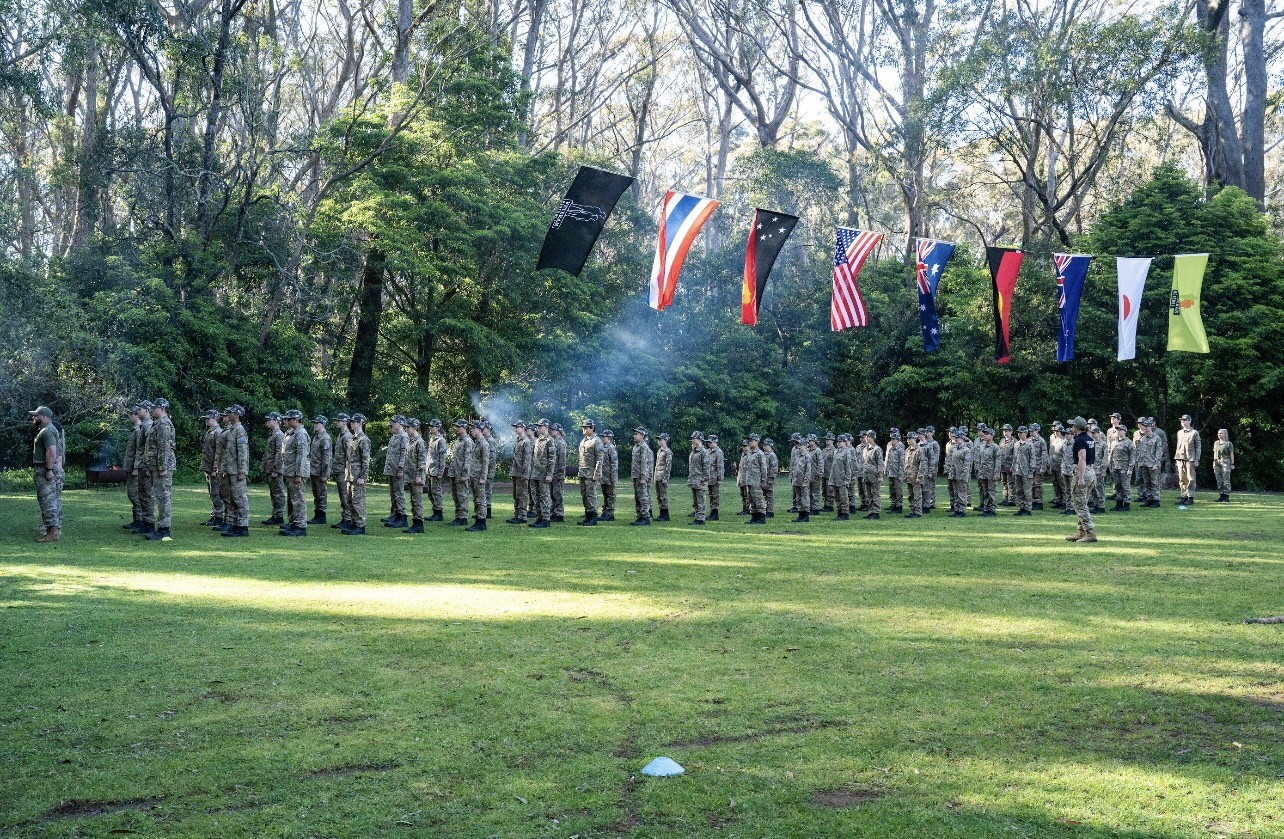
At Veteran Mentors, we've seen remarkable transformations in teenagers who mainstream systems had written off. Not through coddling or excuses, but through structure, accountability, and genuine connection. Military precision meets compassionate mentoring.
The kids causing havoc in that Big W don't need another lecture from politicians about "youth crime concerns." They need adults who will hold them accountable while showing them a better path forward.
Senator Jacqui Lambie gets it. That's why she's been one of our mentors. She understands that talking tough on crime without addressing root causes is just political theater.
So what's the solution to incidents like the Big W disturbance?
First, we need to acknowledge that our current approaches aren't working. The education system needs complete reform to engage different learning styles. The mental health system needs to be accessible and effective for young people. And youth justice needs to focus on genuine rehabilitation, not just punishment.
Second, we need to invest in programs that actually work. Not feel-good initiatives that look good in press releases but deliver zero results. Programs with proven track records of transforming troubled youth into contributing members of society.
Third, we need to address tech addiction head-on. Many of these kids are living more in virtual worlds than the real one, destroying their ability to handle real-world conflict without resorting to violence.
The Big W incident isn't funny. But what is darkly comical is how we keep expressing surprise when our failing systems produce exactly the results they're designed to produce.
We can do better. We must do better. Because the alternative is more kids spiraling into crime, more staff needing counseling after being assaulted at work, and more hand-wringing from politicians who offer concern but no solutions.
The greatest youth development programs don't just prevent kids from becoming criminals. They help them become leaders. That transformation is possible for every single teenager, including those who thought trashing a Big W was a good idea on a Tuesday afternoon.
The question isn't whether we can afford to invest in real solutions for troubled youth. The question is whether we can afford not to.
After all, today's Big W disturbance could be tomorrow's headline crime if we don't intervene with approaches that actually work.
And there's nothing humorous about that.